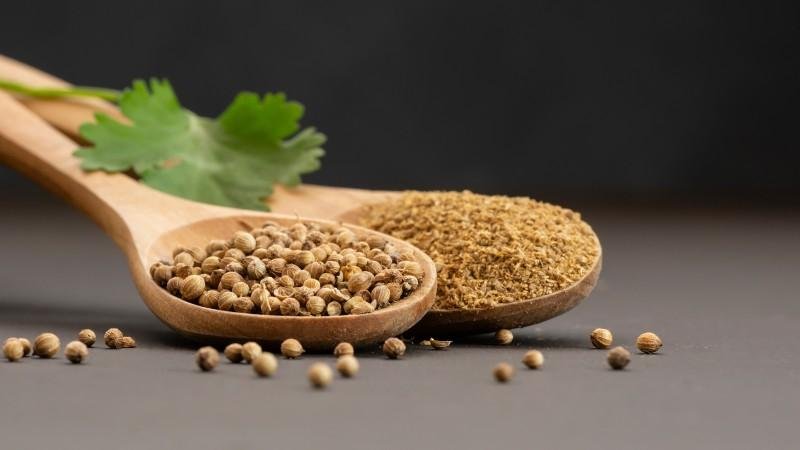
Koriandri is a term associated with coriander, a popular herb and spice used in kitchens around the world. Known for its fresh aroma and distinctive flavor, coriander has been an important part of traditional cooking for centuries. Its green leaves and dried seeds are used in different ways, making it a versatile ingredient in many international cuisines.
Understanding the Koriandri meaning helps explain why this ingredient remains popular among home cooks and professional chefs. It is commonly associated with coriander, scientifically known as Coriandrum sativum. The plant belongs to the Apiaceae family, which also includes parsley, carrots, and celery.
From traditional recipes to modern healthy meals, Koriandri has many culinary applications. It can add freshness to salads, improve the flavor of curries, and bring warmth to spice mixtures. This guide explores its meaning, history, taste, uses, nutritional properties, and potential health benefits.
What Is the Meaning of Koriandri?
Koriandri is a name associated with coriander in certain linguistic and food-related contexts. Coriander is an aromatic herb that produces edible green leaves and small round seeds. Both parts are widely used in cooking, although they have different flavors and culinary purposes.
In the United States, fresh coriander leaves are generally called cilantro. The dried seeds, however, are known as coriander seeds. In many other English-speaking countries, the word coriander describes both the leaves and seeds.
The Koriandri meaning can therefore depend on the language and context in which the word appears. When used in discussions about food, herbs, or spices, it is generally connected with coriander.
This ingredient is popular because it combines freshness with versatility. Its leaves provide a light herbal flavor, while its seeds offer a warm and slightly sweet taste.
Origin and History of Koriandri
Coriander has a long history that dates back thousands of years. It is believed to have originated around the Mediterranean region and parts of southwestern Asia. Over time, cultivation and trade helped introduce the plant to different parts of the world.
Ancient communities valued coriander for its aromatic qualities and culinary applications. Its seeds were especially useful because they could be dried and stored for later use. This made the ingredient practical for households and traders.
As international trade expanded, coriander became an important ingredient in European, African, and Asian cooking. Different cultures developed their own ways of using its leaves and seeds.
Today, coriander is grown in many countries, including India, Morocco, and regions around the Mediterranean. India is particularly well known for its use and production of coriander seeds.
Understanding the Coriander Plant
The coriander plant is an annual herb with delicate green leaves, slender stems, and small flowers. Its botanical name is Coriandrum sativum. It grows well in suitable soil and moderate temperatures.
Young plants produce fresh leaves that are harvested for cooking. These leaves have a noticeable herbal aroma and are commonly added to salads, sauces, soups, and vegetable dishes.
As the plant matures, it develops small flowers that eventually produce round fruits commonly called coriander seeds. These seeds can be harvested, dried, and used whole or ground.
One interesting feature of Koriandri is that different parts of the same plant have different flavor profiles. The leaves taste fresh and herbal, while the seeds have a warmer and more complex aroma.
What Does Koriandri Taste Like?
The taste of Koriandri depends on whether someone uses fresh leaves or dried seeds. Although both come from the same plant, their flavors are noticeably different.
Fresh Coriander Leaves
Fresh coriander leaves have a bright, herbal, and slightly citrus-like taste. They are often used to improve the freshness of cooked meals and raw dishes.
Some people enjoy their refreshing flavor, while others find it unusual. In fact, certain individuals describe coriander leaves as tasting soapy. Research suggests that genetic differences can influence how people perceive some of the natural aroma compounds in the leaves.
Fresh leaves work particularly well with tomatoes, onions, cucumber, lemon, and spicy foods.
Dried Coriander Seeds
Coriander seeds have a warm, earthy, and slightly sweet flavor. Their aroma becomes stronger when they are lightly toasted before grinding.
Ground coriander is commonly used in curries, soups, marinades, and homemade seasoning mixtures. Whole seeds are also popular in pickles and traditional spice blends.
Unlike fresh leaves, dried seeds provide a deeper flavor that works well in slow-cooked meals.
Common Uses of Koriandri in Cooking
Koriandri has an important place in different food cultures. Its fresh leaves and dried seeds can improve the flavor of many everyday recipes.
Use in Traditional Dishes
Fresh coriander leaves are widely used in South Asian cooking. They are added to curries, rice dishes, lentils, and vegetable preparations.
In Mexican cuisine, cilantro is a common ingredient in salsa, tacos, and guacamole. Middle Eastern recipes also use coriander in soups, sauces, and meat seasonings.
Use in Soups and Sauces
Coriander can add freshness and aroma to homemade soups. Fresh leaves work well in vegetable soups, lentil dishes, and spicy broths.
Ground coriander is useful for sauces that require a warm and balanced flavor. It can be combined with garlic, tomatoes, ginger, and other seasonings.
Use in Marinades
Coriander seeds are commonly included in marinades for chicken, fish, and vegetables. Their flavor combines well with lemon juice, olive oil, black pepper, and garlic.
To create a stronger aroma, whole seeds can be lightly toasted and ground before use.
Use in Salads
Fresh coriander leaves are also popular in salads and fresh vegetable dishes. They provide a refreshing taste that complements cucumber, tomatoes, onions, and citrus-based dressings.
Nutritional Value of Koriandri
Koriandri contains several nutrients and naturally occurring plant compounds. However, its nutritional composition depends on whether fresh leaves or dried seeds are consumed.
Fresh coriander leaves contain vitamin K, vitamin A-related carotenoids, and vitamin C. They also provide small amounts of minerals and antioxidant compounds.
Coriander seeds have a different nutritional profile. They contain dietary fiber, minerals, and aromatic plant oils. Since the seeds are generally consumed in smaller quantities, they are mainly valued for their flavor.
| Nutritional feature | Fresh leaves | Dried seeds |
|---|---|---|
| Vitamin K | Good source | Much lower |
| Vitamin C | Contains some | Very little |
| Vitamin A compounds | Present | Small amounts |
| Dietary fiber | Relatively low | Higher |
| Plant compounds | Present | Present |
| Aromatic oils | Present | Present |
Including coriander in everyday meals can contribute to dietary variety. However, it should not replace other nutrient-rich foods.
Potential Health Benefits of Koriandri
Koriandri contains plant compounds that have attracted scientific interest. Researchers have explored its antioxidant properties and possible effects on different body functions.
However, many findings come from laboratory and animal studies. More human research is needed to confirm several potential health benefits.
Provides Antioxidant Compounds
Coriander contains naturally occurring antioxidants, including polyphenols and other plant compounds. Antioxidants help protect cells against oxidative stress.
Eating a variety of vegetables, fruits, and herbs can increase the range of antioxidant compounds in a balanced diet. Coriander can contribute to this variety.
Supports Normal Body Functions
Fresh coriander leaves contain vitamin K, an important nutrient for normal blood clotting and bone metabolism. They also provide carotenoids that contribute to vitamin A activity in the body.
Adding fresh herbs to meals is a simple way to introduce additional nutrients into everyday cooking.
May Support Digestive Health
Coriander has traditionally been used in different cultures as an ingredient in digestive preparations. Its seeds contain aromatic oils that have been investigated for their possible digestive properties.
Some preliminary research has explored these effects. However, coriander should not be considered a proven treatment for digestive disorders.
Contains Potential Anti-Inflammatory Compounds
Certain natural compounds found in coriander have demonstrated anti-inflammatory activity in laboratory research.
These findings are interesting, but laboratory results do not automatically establish the same effects in humans. Further studies are necessary to understand their practical significance.
Supports Healthy Cooking Habits
Coriander can make meals more flavorful without requiring large amounts of salt. Its fresh leaves and ground seeds provide different aromas that work well with vegetables, grains, and proteins.
Using herbs and spices to improve flavor can be a useful part of preparing balanced meals.
Koriandri vs. Cilantro: What Is the Difference?
Many people use the words coriander and cilantro interchangeably. However, their meanings can differ depending on regional language.
In American English, cilantro generally refers to the fresh leaves and stems of the plant. Coriander usually refers to its dried seeds.
In British English and several other regions, coriander is the common name for both parts. Therefore, the difference is mainly linguistic rather than botanical.
Both ingredients come from the same plant, Coriandrum sativum. However, they have different flavors and culinary applications.
| Feature | Cilantro | Coriander seeds |
|---|---|---|
| Plant part | Fresh leaves and stems | Dried fruits |
| Flavor | Fresh and herbal | Warm and earthy |
| Common use | Salads and garnishes | Curries and seasonings |
| Form | Fresh | Whole or ground |
| Aroma | Light and refreshing | Sweet and aromatic |
Understanding this difference makes international recipes easier to follow.
How to Choose and Store Koriandri
Choosing good-quality coriander helps maintain its natural flavor and freshness. When buying fresh leaves, look for green, firm, and healthy-looking bunches. Avoid leaves that appear excessively yellow, damaged, or slimy.
Dried coriander seeds should be clean and dry. Whole seeds generally retain their aroma longer than ground coriander because their natural oils are less exposed to air.
Fresh leaves should be stored in the refrigerator. Keep them reasonably dry and place them in a suitable container or loosely wrapped bag.
For dried seeds, use an airtight container and store it in a cool, dry place away from direct sunlight. Ground coriander should also be protected from moisture and heat.
For the strongest flavor, consider grinding whole seeds shortly before cooking. This simple method helps preserve their natural aroma.
Possible Side Effects and Precautions
Koriandri is generally well tolerated when consumed in normal food quantities. However, some people may experience allergic reactions to coriander.
Possible symptoms include itching, skin irritation, swelling, and digestive discomfort. Anyone experiencing difficulty breathing or throat swelling should seek emergency medical attention.
Concentrated coriander extracts and supplements may have different effects from ordinary culinary amounts. Their safety and possible interactions with medications should be considered before regular use.
People taking warfarin should also maintain consistent vitamin K intake because fresh coriander leaves contain this nutrient. A healthcare professional can provide advice about appropriate dietary habits.
How to Grow Koriandri at Home
Growing coriander at home is a convenient way to keep fresh leaves available for everyday cooking. The plant can be grown in garden beds, containers, or suitable indoor spaces.
Coriander generally grows well in well-draining soil and a location with adequate sunlight. In warmer weather, partial shade can help protect the plant from excessive heat.
Seeds can be planted directly into the soil. Keep the growing area moderately moist, but avoid excessive watering.
Once the plant develops enough leaves, you can begin harvesting small portions for cooking. Regular trimming can provide fresh leaves while allowing the plant to continue growing.
If you want to collect coriander seeds, allow some plants to flower and develop mature seed heads. Once the seeds become dry, they can be collected and stored in a suitable container.
Why Koriandri Remains Popular Around the World
Koriandri remains popular because coriander offers different flavors and uses within a single plant. Fresh leaves add brightness to meals, while dried seeds provide warmth and depth.
Its versatility makes it suitable for many cuisines. It works with vegetables, meat, seafood, rice, beans, and other everyday ingredients.
Another reason for its popularity is its availability in different forms. Fresh leaves, whole seeds, and ground coriander are easy to incorporate into traditional and modern recipes.
As international food cultures continue to influence one another, coriander remains an important ingredient in kitchens around the world.
Conclusion
Koriandri is a term associated with coriander, an aromatic herb and spice valued for its flavor, versatility, and nutritional properties. Its fresh leaves and dried seeds have different tastes and culinary applications, making it useful in a wide range of recipes. From traditional curries and soups to fresh salads and homemade marinades, coriander adds a distinctive character to everyday meals.
Understanding the Koriandri meaning also provides insight into its history, botanical background, and importance in different food cultures. Although coriander contains several beneficial nutrients and plant compounds, its potential medicinal effects require further scientific research. Whether you use fresh leaves as a garnish or dried seeds as a seasoning, coriander remains a practical and flavorful ingredient for everyday cooking.
FAQ’s
What does Koriandri mean?
Koriandri is a term associated with coriander in certain linguistic and food-related contexts. It generally refers to the aromatic herb used in cooking.
Is Koriandri the same as coriander?
In food-related contexts, the terms are associated. Coriander is the commonly recognized English name for the plant Coriandrum sativum.
What is the scientific name of coriander?
The scientific name is Coriandrum sativum. It belongs to the Apiaceae family.
What does Koriandri taste like?
Fresh leaves have a bright, herbal, and slightly citrus-like taste. Dried seeds have a warmer, earthy, and mildly sweet flavor.
Is coriander used in traditional medicine?
Yes, coriander has a history of traditional use in different cultures. However, traditional applications do not establish it as a proven medical treatment.
Can coriander be eaten every day?
Most people can enjoy ordinary culinary quantities of coriander as part of a balanced diet.
Are fresh coriander leaves better than seeds?
Both have different uses. Fresh leaves are useful for garnishing and adding freshness, while seeds provide a deeper flavor for cooked dishes.
How should coriander seeds be stored?
Keep whole seeds in an airtight container in a cool, dry place. This helps protect their aroma and flavor.
Can Koriandri be grown indoors?
Yes, coriander can grow indoors when provided with suitable soil, adequate sunlight, and proper watering.
Does coriander have any side effects?
Coriander is generally safe in normal food quantities. However, some people may experience allergies or digestive discomfort.