
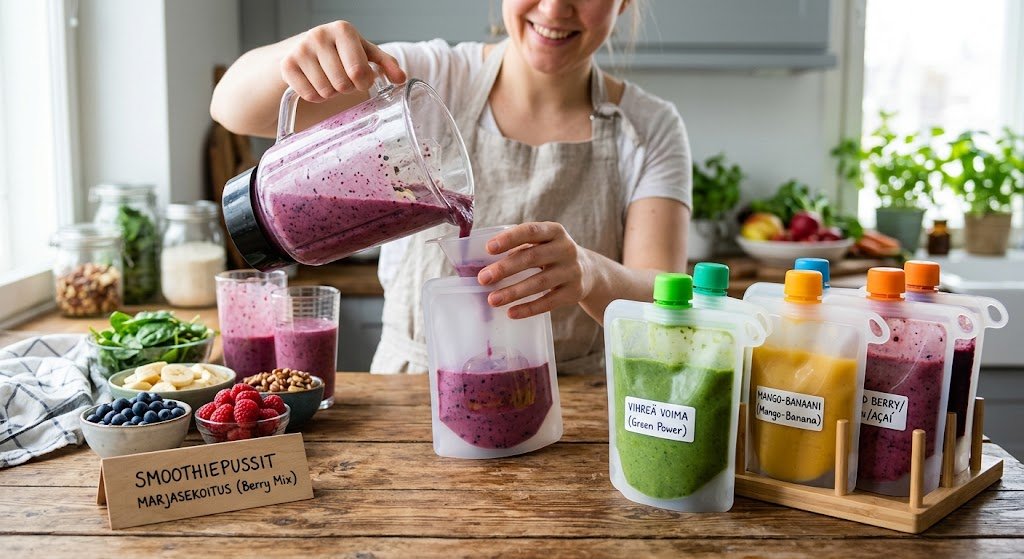
Smoothiepussit is an interesting approach to making smoothie preparation easier, faster, and more convenient. In a busy daily routine, finding time to wash, peel, chop, and measure different fruits and vegetables can make preparing healthy drinks feel like a difficult task. DIY smoothie packs offer a simple solution by allowing people to prepare smoothie ingredients in advance, divide them into individual portions, and store them in the freezer until needed.
Whether someone enjoys fruit smoothies for breakfast, green smoothies after a workout, or refreshing drinks as an afternoon snack, preparing smoothie packs at home can save time and reduce unnecessary food waste. Instead of starting from scratch every morning, everything can be ready in a freezer-friendly bag or container.
The idea behind Smoothiepussit is particularly useful for people who want more control over their ingredients, flavors, portion sizes, and daily nutrition. With a few basic ingredients and some preparation, anyone can create different smoothie combinations that fit their preferences. This guide explains what Smoothiepussit means, how DIY smoothie packs work, which ingredients to use, how to prepare them, and how to store them properly.
What Is Smoothiepussit?
Smoothiepussit refers to the concept of preparing convenient smoothie ingredient packs that can be stored and used whenever needed. The approach focuses on organizing fruits, vegetables, and other smoothie ingredients into ready-to-blend portions. Rather than preparing every ingredient separately each time, users can simply take a prepared pack from the freezer, add their preferred liquid, and blend everything together.
The main purpose of this approach is to make homemade smoothies more accessible. Many people enjoy smoothies but struggle to maintain the habit because preparation takes time. Fresh fruits need washing, peeling, cutting, and measuring, while vegetables may require additional preparation. Smoothiepussit makes this process easier by moving most of the preparation work to one convenient session.
Another advantage is flexibility. People can prepare different combinations depending on their taste preferences, dietary requirements, and available ingredients. Some packs can contain tropical fruits, while others may include berries, spinach, bananas, or other nutritious ingredients. This makes it easier to enjoy variety without spending time preparing a completely new recipe every day.
Why Are DIY Smoothie Packs Becoming Popular?
DIY smoothie packs have become a practical option for people who want convenient homemade food without depending on expensive ready-made products. They combine the flexibility of homemade recipes with the convenience of prepared ingredients. Once everything has been portioned and frozen, making a smoothie can take only a few minutes.
One major reason people appreciate this method is its time-saving potential. Preparing several smoothie packs at once reduces the amount of daily kitchen work. It is especially helpful during busy mornings when people may not have enough time to prepare a complete breakfast. Having ingredients ready in the freezer makes it easier to maintain a consistent routine.
Cost management is another important consideration. Buying whole fruits and vegetables and preparing them at home can sometimes be more economical than purchasing individual ready-made smoothie products. It also allows people to use seasonal produce and freeze ingredients before they become overripe. This can reduce food waste while making better use of grocery purchases.
Essential Ingredients for Making Smoothiepussit Packs
The ingredients used in DIY smoothie packs determine their flavor, texture, and nutritional content. There is no single combination that works for everyone. Some people prefer naturally sweet fruit-based smoothies, while others enjoy vegetable-rich combinations with less sweetness.
Fresh and Frozen Fruits
Fruits are among the most popular ingredients in smoothie packs because they provide natural sweetness, flavor, and different textures. Strawberries, blueberries, raspberries, mangoes, pineapples, peaches, and bananas are common choices.
Bananas are particularly useful because they create a naturally creamy consistency when blended. Berries add color and a slightly tangy flavor, while mangoes and pineapples provide a tropical taste. Combining different fruits allows people to create interesting flavors without relying heavily on added sugar.
For the best results, wash fresh fruits, remove unwanted stems or peels, and cut larger pieces into manageable portions before freezing. This makes blending easier and helps the ingredients fit neatly into storage bags.
Leafy Green Vegetables
Vegetables are another useful addition to homemade smoothie packs. Spinach and kale are popular options because they can be combined with fruits without completely changing the overall flavor. Cucumber also works well in refreshing smoothie recipes.
Leafy greens provide fiber and various vitamins and minerals. Adding them to fruit-based packs can help increase the variety of ingredients in everyday smoothies.
People who are new to green smoothies may prefer starting with a small amount of spinach and combining it with sweeter fruits such as mango or pineapple. As they become comfortable with the taste, they can experiment with additional vegetables.
Protein and Other Add-Ins
Some smoothie recipes include ingredients that provide additional protein, healthy fats, or fiber. Examples include chia seeds, ground flaxseed, oats, and nut butters.
Protein powder can also be included, although it is often easier to add it separately when blending. This makes it possible to adjust the quantity depending on individual needs.
Other optional ingredients include unsweetened coconut, cinnamon, cocoa powder, and plain yogurt. These additions can improve flavor and texture while allowing people to customize their smoothies.
How to Make Your Own Smoothiepussit Packs at Home
Making DIY smoothie packs does not require special equipment or advanced cooking skills. A few basic kitchen supplies, fresh ingredients, and freezer-safe containers are enough to get started.
Choose Your Favorite Smoothie Combinations
Begin by deciding which flavors you would like to prepare. You can create berry, tropical, green, or banana-based combinations. Choosing recipes before shopping helps prevent unnecessary purchases and makes ingredient preparation more organized.
It is useful to select three or four different combinations rather than preparing several identical packs. This provides variety throughout the week and makes homemade smoothies more enjoyable.
Wash and Prepare the Ingredients
Wash fresh fruits and vegetables thoroughly under clean running water. Remove peels, stems, seeds, or damaged sections where necessary. Cut larger fruits into smaller pieces so they can fit easily into freezer bags and blend more evenly.
Make sure the ingredients are reasonably dry before packaging them. Excess moisture can cause frozen ingredients to stick together, making individual portions harder to separate.
Measure Individual Portions
Divide the prepared ingredients into individual servings. The amount depends on the blender capacity and the size of smoothie you normally drink.
For example, one pack might contain a banana, a handful of strawberries, some blueberries, and a small portion of spinach. Another might contain mango, pineapple, and banana.
Measuring ingredients before freezing helps maintain consistent portions and makes it easier to estimate how much liquid will be needed during blending.
Pack and Label Everything
Place each combination into a separate freezer-safe bag or airtight container. Remove as much excess air as practical from freezer bags before sealing them.
Write the preparation date and ingredient combination on each container. This simple step makes it easier to identify different recipes and use older packs first.
Freeze the Packs Properly
Arrange the sealed packs in a single layer in the freezer until the ingredients are frozen. Afterward, organize them vertically or stack them carefully to save space.
Keep the freezer at 0°F (-18°C) or below for proper frozen-food storage. Use clean containers and avoid leaving prepared ingredients at room temperature for extended periods.
Popular Smoothiepussit Recipes to Try
One of the most enjoyable parts of making smoothie packs is experimenting with different flavors. The following combinations are simple starting points for anyone who wants to build a homemade smoothie collection.
Berry Blast Smoothie Pack
Combine strawberries, blueberries, raspberries, and banana. When ready to blend, add milk or an unsweetened plant-based alternative. This combination creates a naturally sweet and fruity smoothie.
Tropical Sunrise Smoothie Pack
Combine mango, pineapple, and banana. Add coconut water or milk during blending for a refreshing tropical drink with a smooth texture.
Green Garden Smoothie Pack
Use spinach, green apple, banana, and cucumber. Add water or unsweetened almond milk when blending. This is a convenient way to include leafy greens in a smoothie.
Chocolate Banana Smoothie Pack
Prepare banana slices and combine them with a little cocoa powder. When blending, add milk and peanut butter for a rich, creamy drink.
Peach Mango Smoothie Pack
Combine sliced peaches, mango, and a little banana. Add orange juice or water during blending for a refreshing fruit-based smoothie.
These recipes can be adjusted according to personal preferences. For example, people who prefer thicker smoothies can use less liquid, while those who enjoy thinner drinks can gradually add more.
Benefits of Using Smoothiepussit for Everyday Life
The biggest advantage of preparing smoothie packs is convenience, but the benefits extend beyond saving a few minutes in the kitchen. With proper planning, this method can make homemade smoothies easier to include in everyday routines.
Saves Time During Busy Mornings
Preparing ingredients in advance removes several steps from the daily smoothie-making process. Instead of washing and cutting multiple fruits every morning, users only need to select a pack and blend it with their preferred liquid.
This can be especially helpful for people with early work schedules, students, parents, and anyone who prefers a quick breakfast option.
Helps Reduce Food Waste
Fresh produce can spoil when it is not used quickly enough. Freezing suitable fruits and vegetables before they become overripe can help extend their storage life.
DIY smoothie packs also make it easier to use leftover ingredients. For example, extra strawberries, spinach, or banana slices can be divided into portions instead of being forgotten in the refrigerator.
Provides Better Ingredient Control
Store-bought smoothies sometimes contain added sweeteners, flavorings, or other ingredients that people may prefer to avoid. Preparing smoothie packs at home gives users control over what goes into their drinks.
People can choose unsweetened liquids, adjust fruit quantities, and include ingredients that match their preferences. This makes homemade smoothies easier to customize.
Encourages More Variety
Eating or drinking the same combination every day can become boring. Preparing several different smoothie packs allows people to experiment with flavors and ingredients throughout the week.
Rotating between berry, tropical, green, and chocolate-based recipes can make smoothie preparation more enjoyable while introducing different fruits and vegetables into the diet.
Best Storage Methods for DIY Smoothie Packs
Proper storage is important for maintaining the quality of homemade smoothie packs. Although freezing helps preserve ingredients, poor packaging and temperature changes can affect flavor, texture, and overall quality.
Freezer-safe bags and airtight containers are two practical storage options. Bags take up less space and are convenient for individual portions, while rigid containers can provide extra protection for delicate ingredients.
It is also important to label every pack with its preparation date. Frozen fruit can remain safe for longer when continuously stored at the correct temperature, but quality may gradually decline. For the best flavor and texture, many homemade smoothie packs are best used within approximately two to three months.
Avoid repeatedly thawing and refreezing smoothie ingredients. If a pack has thawed significantly, keep food safety in mind rather than returning it to the freezer. Discard ingredients that have been left at room temperature for an unsafe period.
The following table provides a simple storage overview.
| Storage method | Main advantage | Recommendation |
|---|---|---|
| Freezer bags | Save freezer space | Remove excess air |
| Airtight containers | Protect ingredients | Leave suitable headspace |
| Reusable silicone bags | Convenient and reusable | Clean thoroughly |
| Labeled portions | Easy identification | Include preparation dates |
Common Mistakes to Avoid When Preparing Smoothiepussit
Although DIY smoothie packs are easy to prepare, a few common mistakes can affect the final results. Understanding these problems can help beginners create better packs and avoid unnecessary waste.
One common mistake is adding too many ingredients to a single pack. Combining several fruits, vegetables, seeds, and powders may sound appealing, but it can produce confusing flavors and make it difficult to achieve a balanced texture. Starting with three or four main ingredients is often a better approach.
Another mistake is using containers that are not suitable for freezer storage. Ordinary food bags may not provide enough protection against freezer air, which can cause freezer burn and affect the quality of ingredients. Always choose packaging specifically designed for freezing.
Some people also forget to consider how much liquid their smoothie will require. Frozen ingredients are harder to blend than fresh ones, particularly when they include large fruit pieces. Adding a suitable amount of liquid gradually can help the blender process everything smoothly.
Finally, preparing too many packs without a clear plan can lead to ingredients being forgotten in the freezer. Creating a small inventory and labeling each pack makes storage easier to manage.
How to Make Smoothiepussit More Budget-Friendly
Homemade smoothie packs can be affordable when ingredients are purchased and prepared strategically. Instead of buying every fruit individually in small quantities, consider choosing produce that is in season or available at a lower price.
Frozen fruits are another practical option. They are already prepared for blending and can be just as useful as fresh produce in smoothie recipes. Buying larger packages of commonly used frozen fruits may also reduce the cost per serving.
Another useful strategy is to plan recipes around ingredients that can be shared across multiple combinations. For example, bananas can be used in berry smoothies, tropical smoothies, and chocolate-based recipes. This reduces the number of different products needed for preparation.
Reusable freezer containers can also help lower long-term packaging costs. Although they may require a higher initial investment, they can be cleaned and used repeatedly when maintained properly.
Is Smoothiepussit Suitable for Different Lifestyles?
DIY smoothie packs can fit into many different daily routines because the ingredients and serving sizes are flexible. However, the best combinations depend on individual preferences and nutritional needs.
For busy professionals, smoothie packs can make breakfast preparation easier before leaving for work. Students can prepare several portions in advance and blend them when they need a quick snack. Parents may also find the method useful for organizing fruit combinations for family members, although ingredients should be adjusted for individual dietary needs and age-appropriate food safety.
People who exercise regularly may choose to add yogurt, milk, or protein powder when blending. Others may prefer vegetable-rich combinations with less fruit. There is no requirement to follow one particular recipe or ingredient list.
People with food allergies or specific dietary restrictions should check ingredient labels and prevent cross-contact during preparation. Smoothies should also be treated as one part of a balanced diet rather than a complete replacement for all meals.
Conclusion
Smoothiepussit offers a practical approach to making homemade smoothies easier, faster, and more organized. By preparing fruits, vegetables, and other ingredients in advance, people can reduce daily preparation time while enjoying a variety of homemade drinks. The process does not require expensive equipment or complicated recipes. A few freezer-safe bags, fresh ingredients, and basic planning are enough to get started.
Another valuable aspect of DIY smoothie packs is the flexibility they provide. Everyone can experiment with different flavors, adjust portions, choose preferred ingredients, and prepare combinations that suit their daily routines. Whether someone enjoys tropical fruit smoothies, berry blends, or vegetable-rich drinks, preparing ingredients ahead of time makes the process more convenient. With proper preparation and storage, Smoothiepussit can become a simple and useful part of an organized kitchen routine.
FAQ’s
Understanding how DIY smoothie packs work can help beginners feel more confident about preparing and storing them. Here are some common questions about the process.
What does Smoothiepussit mean?
Smoothiepussit refers to the idea of preparing ready-to-blend smoothie ingredient packs. These packs generally contain measured portions of fruits, vegetables, and other optional ingredients that can be stored in the freezer.
Can I prepare smoothie packs several days in advance?
Yes. You can prepare multiple packs in one session and freeze them for later use. Proper packaging and consistent freezer temperatures help maintain ingredient quality.
Do smoothie packs need to be thawed before blending?
No. Most fruit-based smoothie packs can be blended directly from frozen. However, some blenders may require additional liquid or a short pause to process larger frozen ingredients.
Which fruits work best in DIY smoothie packs?
Bananas, strawberries, blueberries, raspberries, mangoes, pineapples, and peaches are popular choices. They offer different flavors and textures and can be combined in many ways.
Can I add vegetables to smoothie packs?
Yes. Spinach, kale, cucumber, and other suitable vegetables can be included. Combining leafy greens with fruits is a simple way to create different smoothie flavors.
How long can homemade smoothie packs stay in the freezer?
For good quality, many homemade smoothie packs are best used within two to three months when continuously frozen at 0°F (-18°C) or below. Proper packaging helps protect ingredients from freezer burn.
Can I use milk instead of water when blending?
Yes. Milk, almond milk, oat milk, coconut milk, and other suitable liquids can be used depending on your recipe. Add the liquid during blending rather than freezing it inside the fruit pack.
Are DIY smoothie packs expensive to make?
They do not have to be expensive. Using seasonal fruits, frozen produce, reusable containers, and shared ingredients across different recipes can help keep preparation costs manageable.
Can I prepare smoothie packs without bananas?
Absolutely. Mangoes, peaches, avocados, and other ingredients can provide a creamy texture. You can also use yogurt when blending if it suits your dietary preferences.
Are homemade smoothie packs healthy?
They can be a convenient way to include fruits and vegetables in your diet. Their nutritional value depends on the ingredients, portion sizes, and liquids used. Choosing whole ingredients and limiting unnecessary added sugars can help create balanced smoothies.