
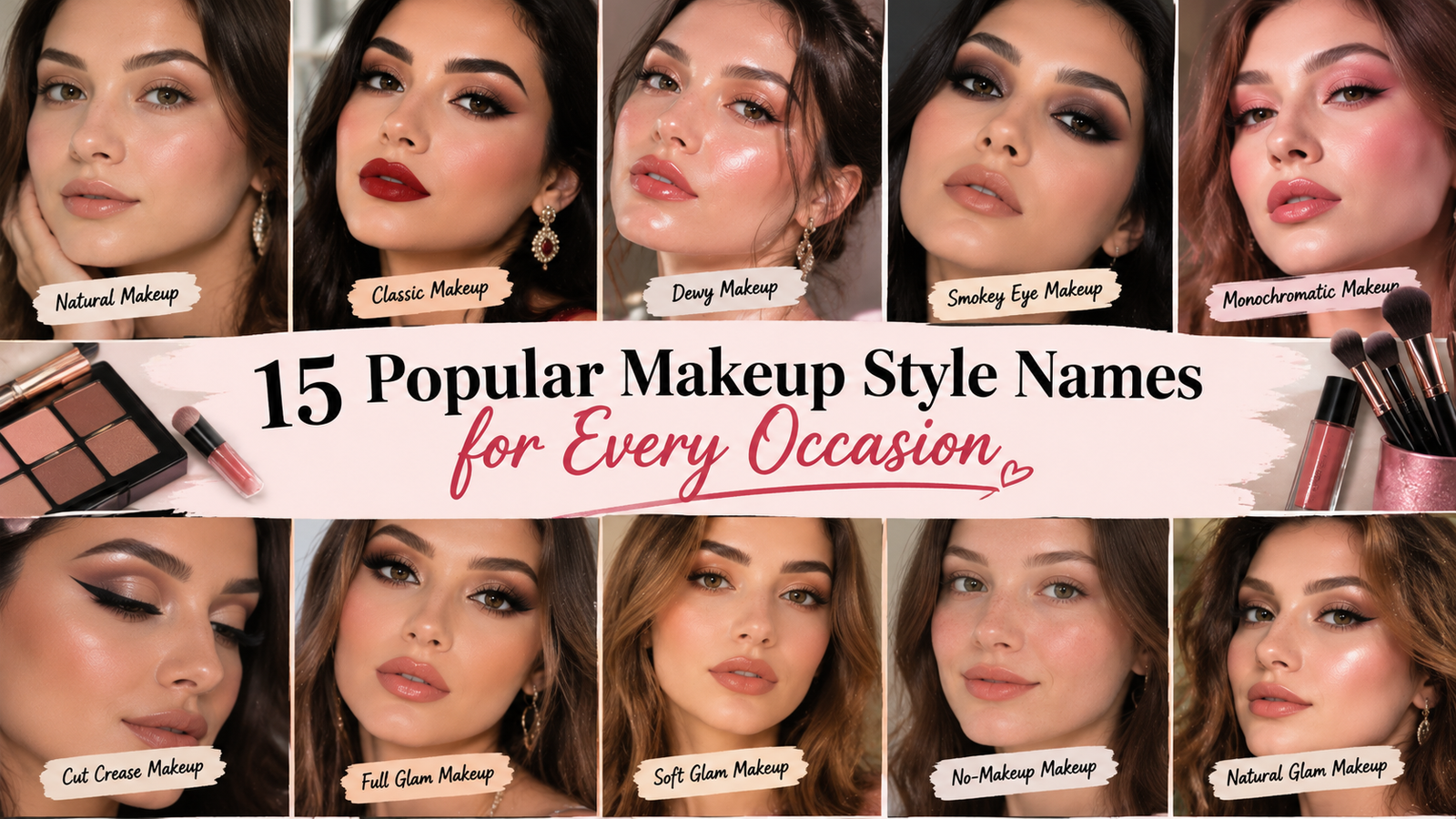
Choosing the right Makeup Style Names look depends on where you are going, what you are wearing, and how much definition you want. A soft, natural finish works well for everyday plans, while smoky eyes, bold lipstick, or glitter can suit evening events and celebrations.
Learning different makeup style names makes it easier to explain the look you want, find useful inspiration, and choose techniques that fit the occasion. Here are 15 popular makeup styles, from barely-there beauty to full glam, with practical tips for creating each one.
1. Natural Makeup Look
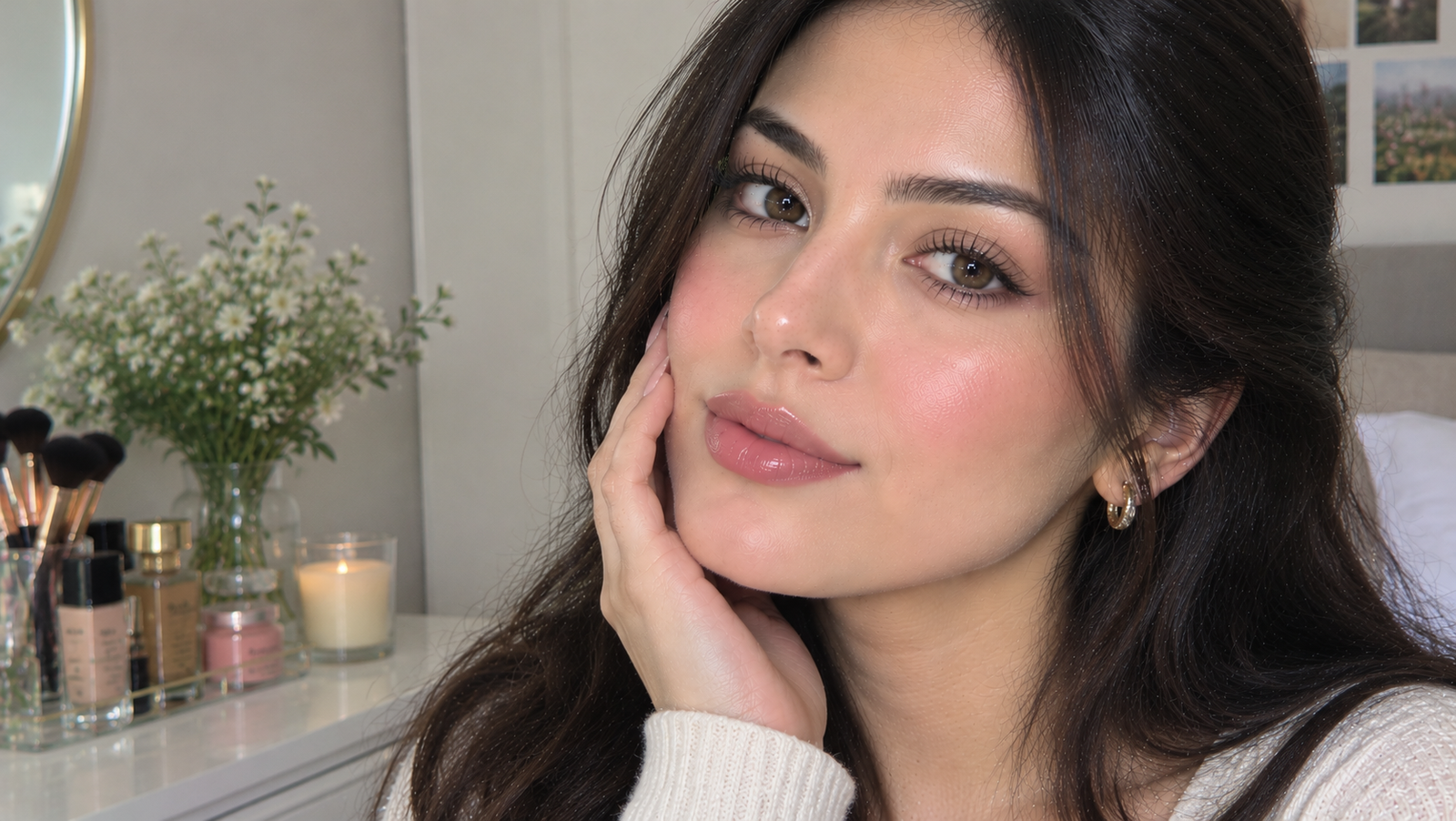
A natural makeup look enhances your features without making the makeup the focus. It usually includes lightweight foundation or tinted moisturizer, a little concealer, softly groomed brows, mascara, and a lip color close to your natural shade.
For everyday wear, apply base makeup only where you want extra coverage. Cream blush in a soft pink or peach can add a fresh finish without requiring several layers of product.
Best for: School or college events, casual outings, daytime meetings, and everyday beauty routines.
Styling tip: Pair natural makeup with a white cotton shirt, straight-leg jeans, and simple gold or silver earrings. The understated makeup complements relaxed clothing without looking unfinished.
2. Soft Glam Makeup
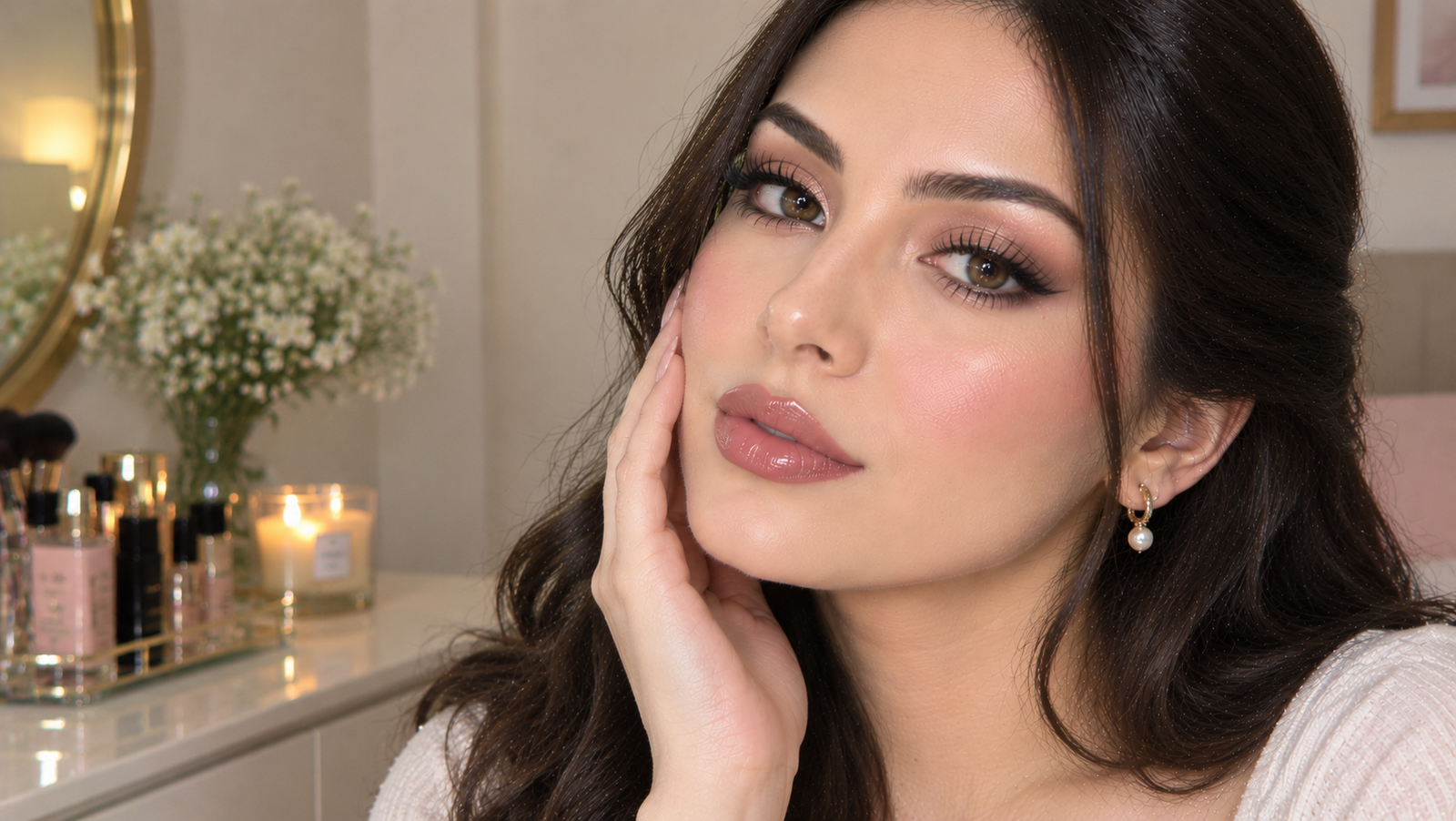
Soft glam makeup adds more definition than a natural look while keeping the overall finish blended and balanced. Think softly sculpted cheeks, even-looking skin, neutral eyeshadow, defined lashes, and a satin or nude-pink lip.
Warm brown, taupe, champagne, and rose shades work well for this style. Blend eyeshadow edges carefully so the color looks smooth rather than sharply outlined. You can use individual lashes or a coat of mascara for extra definition without making the eyes too dramatic.
Best for: Dinner dates, birthday celebrations, engagement parties, and wedding guests.
Styling tip: Soft glam pairs nicely with a satin dress, a tailored jumpsuit, or a coordinated evening outfit. Choose either a slightly stronger eye or a more defined lip if you want the makeup to remain understated.
3. Full Glam Makeup
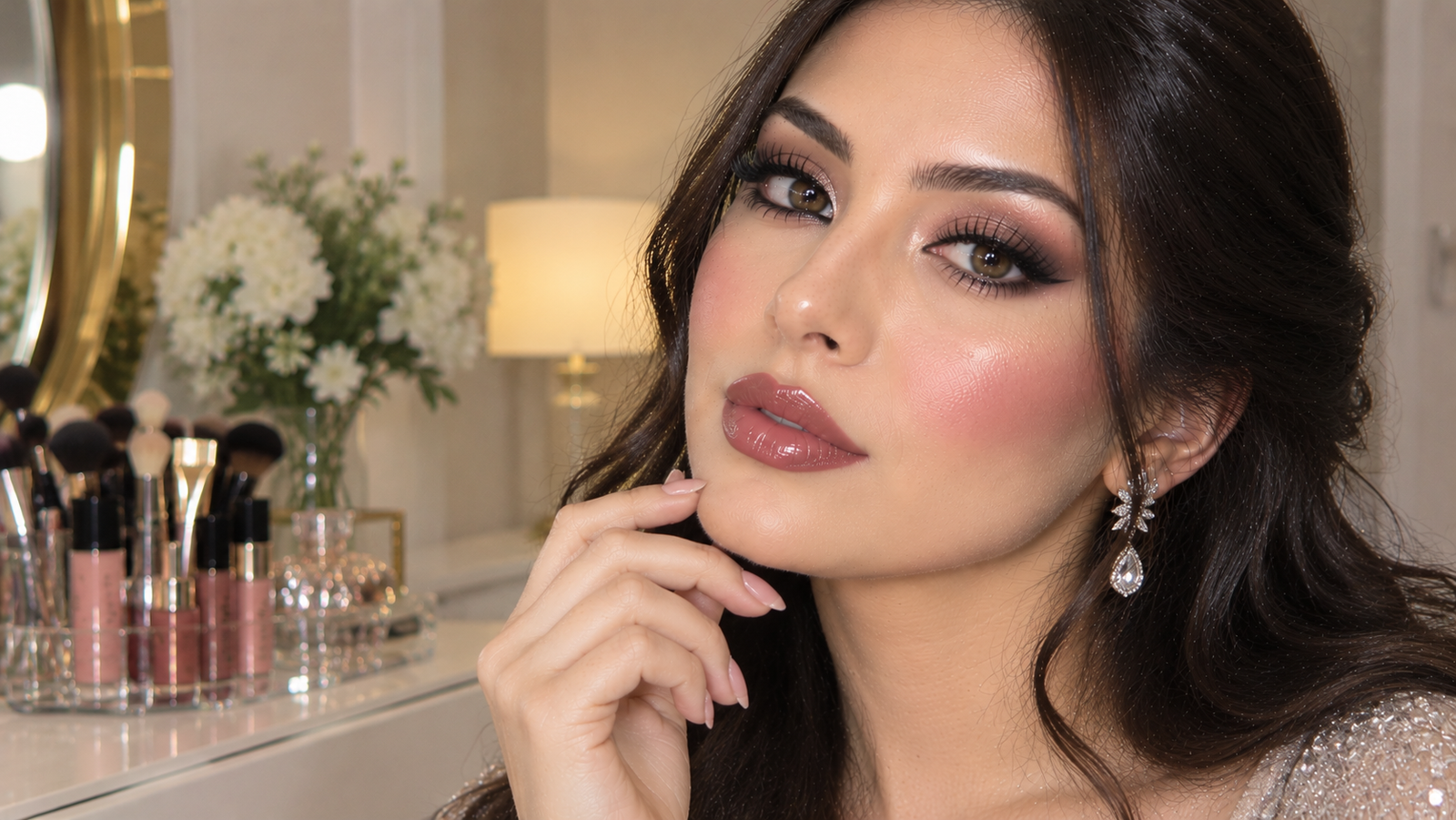
Full glam makeup uses more noticeable coverage, sculpting, eye definition, and lip color. Common elements include a carefully blended foundation, defined brows, contour, highlight, dramatic lashes, and a lipstick shade that complements the rest of the look.
This style is often chosen for photographs, stage events, and evening celebrations. Apply complexion products in thin layers and blend them well, especially around the jawline and hairline, to avoid visible makeup edges.
Best for: Formal parties, evening events, photoshoots, and glamorous celebrations.
Styling tip: A full-glam look works well with an evening gown, a sleek black dress, or a statement outfit. If the eye makeup is especially detailed, a neutral lip can help balance the overall effect.
4. Classic Makeup Look
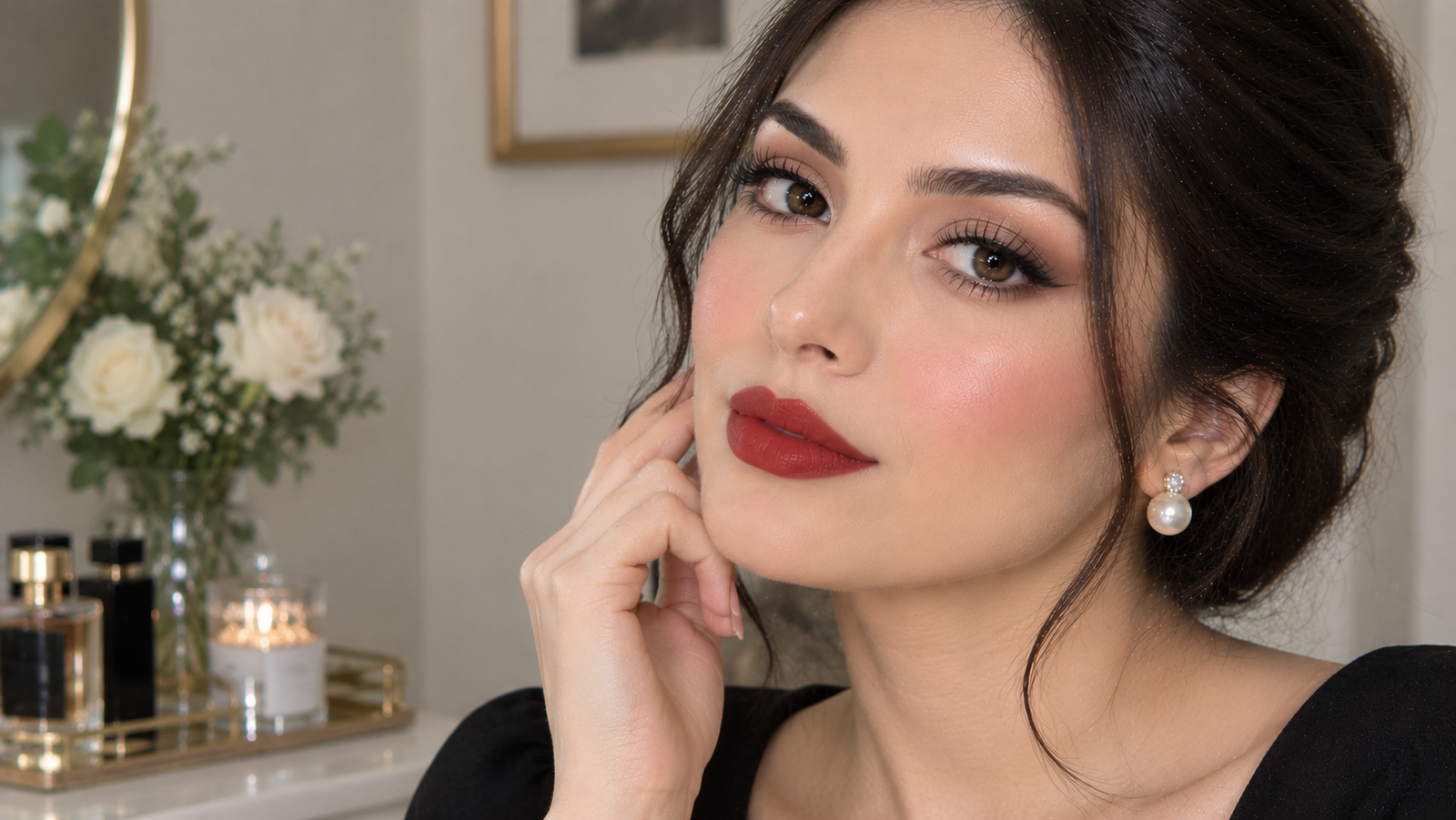
Classic makeup relies on familiar details that remain easy to wear: even-looking skin, softly defined brows, a clean eyeliner line, mascara, and red or rose lipstick. The focus is on precision rather than layering many products.
A traditional red lip can be the main feature of this look. Use a lip liner in a similar shade to define the edges, and blot the lipstick lightly if you prefer a less glossy finish.
Best for: Formal dinners, work events, anniversary celebrations, and occasions with a polished dress code.
Styling tip: Pair classic makeup with a tailored blazer, a little black dress, or a simple blouse and trousers. Pearl earrings or small metal hoops complement the clean lines without competing with the lipstick.
5. No-Makeup Makeup Look
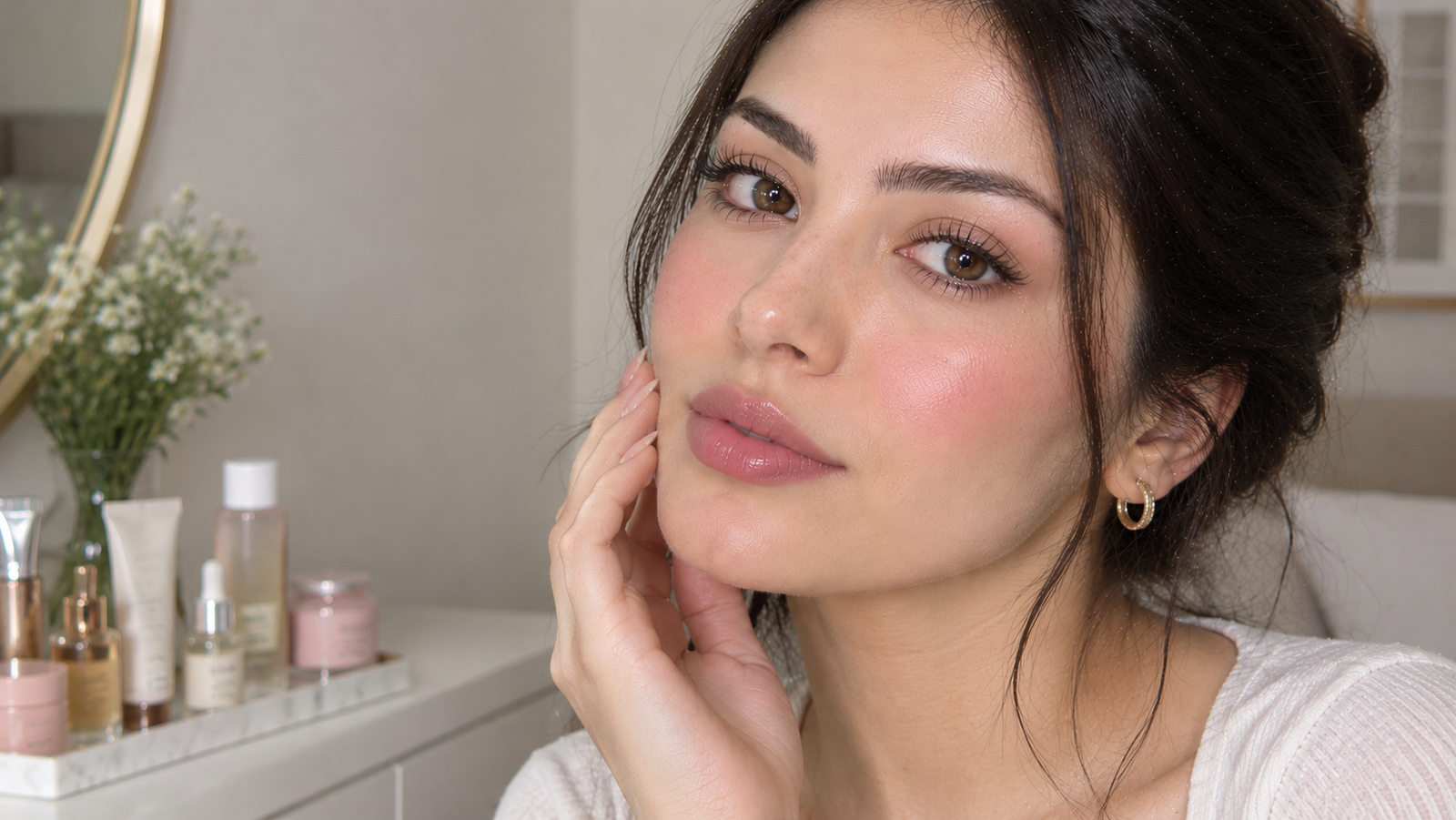
The no-makeup makeup look creates the appearance of naturally fresh skin using a small amount of product. It differs from a traditional natural makeup look because the emphasis is on keeping coverage and visible definition especially subtle.
Use a tinted moisturizer or spot concealer where needed, brush the brows into place, apply a little cream blush, and finish with a clear or lightly tinted lip balm. A sheer base can allow natural skin texture to remain visible.
Best for: Casual daytime plans, relaxed weekends, coffee outings, and minimalist beauty routines.
Styling tip: This look works well with linen shirts, cotton dresses, and simple everyday outfits. A neat hairstyle and small stud earrings keep the overall appearance coordinated without adding more makeup.
6. Smokey Eye Makeup
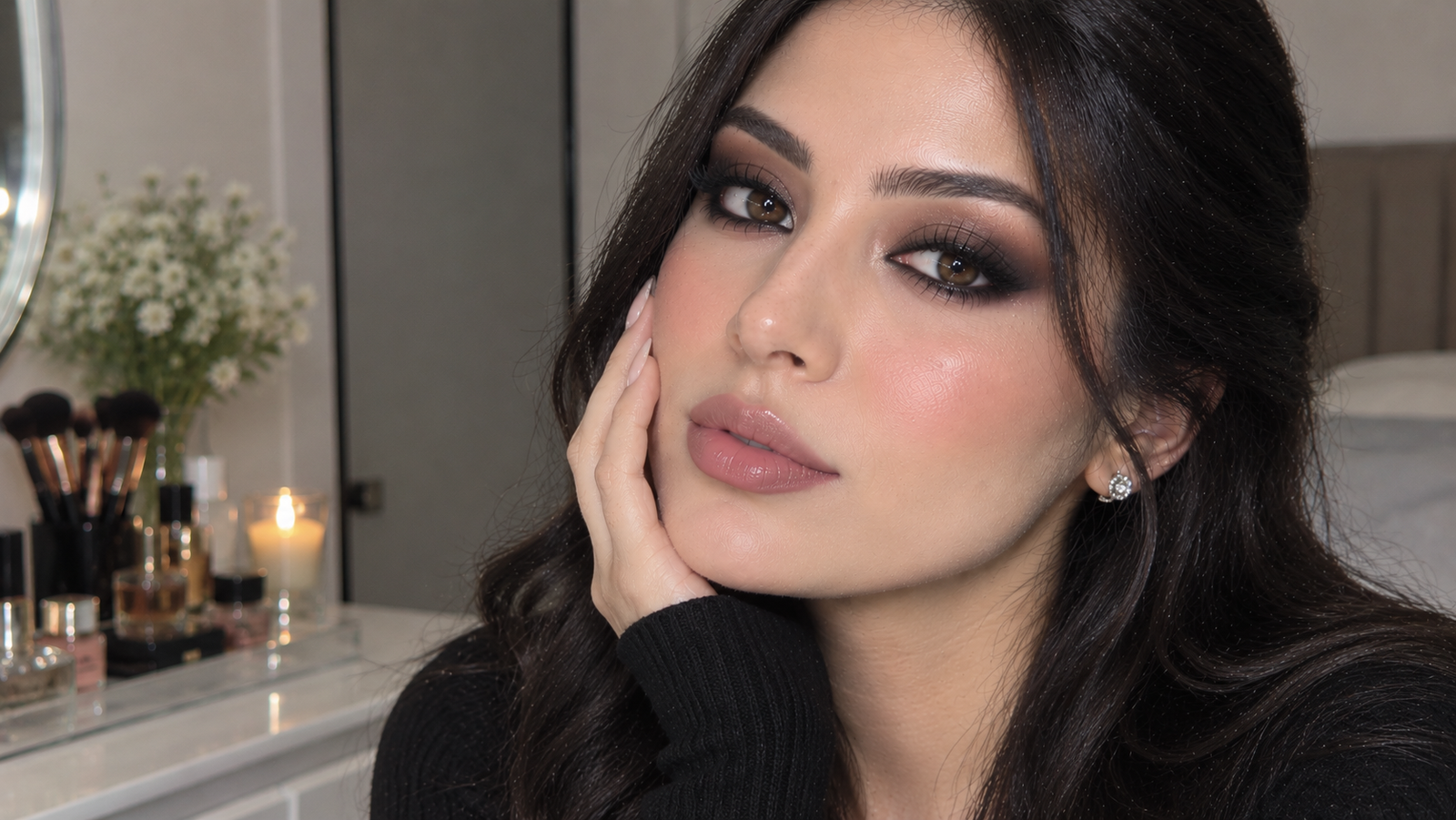
Smokey eye makeup creates depth by blending darker eyeshadow around the lash line and outer corners of the eyes. Black and charcoal are traditional choices, but brown, bronze, plum, and navy can create a softer version of the same effect.
Start with a medium shade, deepen the outer corner gradually, and blend the edges until there are no harsh lines. Keep darker shadow close to the lashes if you want definition without covering the entire eyelid.
Best for: Evening parties, concerts, formal dinners, and nighttime celebrations.
Styling tip: Smokey eyes pair well with a black dress, a satin top, or a tailored evening outfit. A nude or muted rose lip keeps the attention on the eyes, while a deeper lip creates a more dramatic finish.
7. Cut Crease Makeup
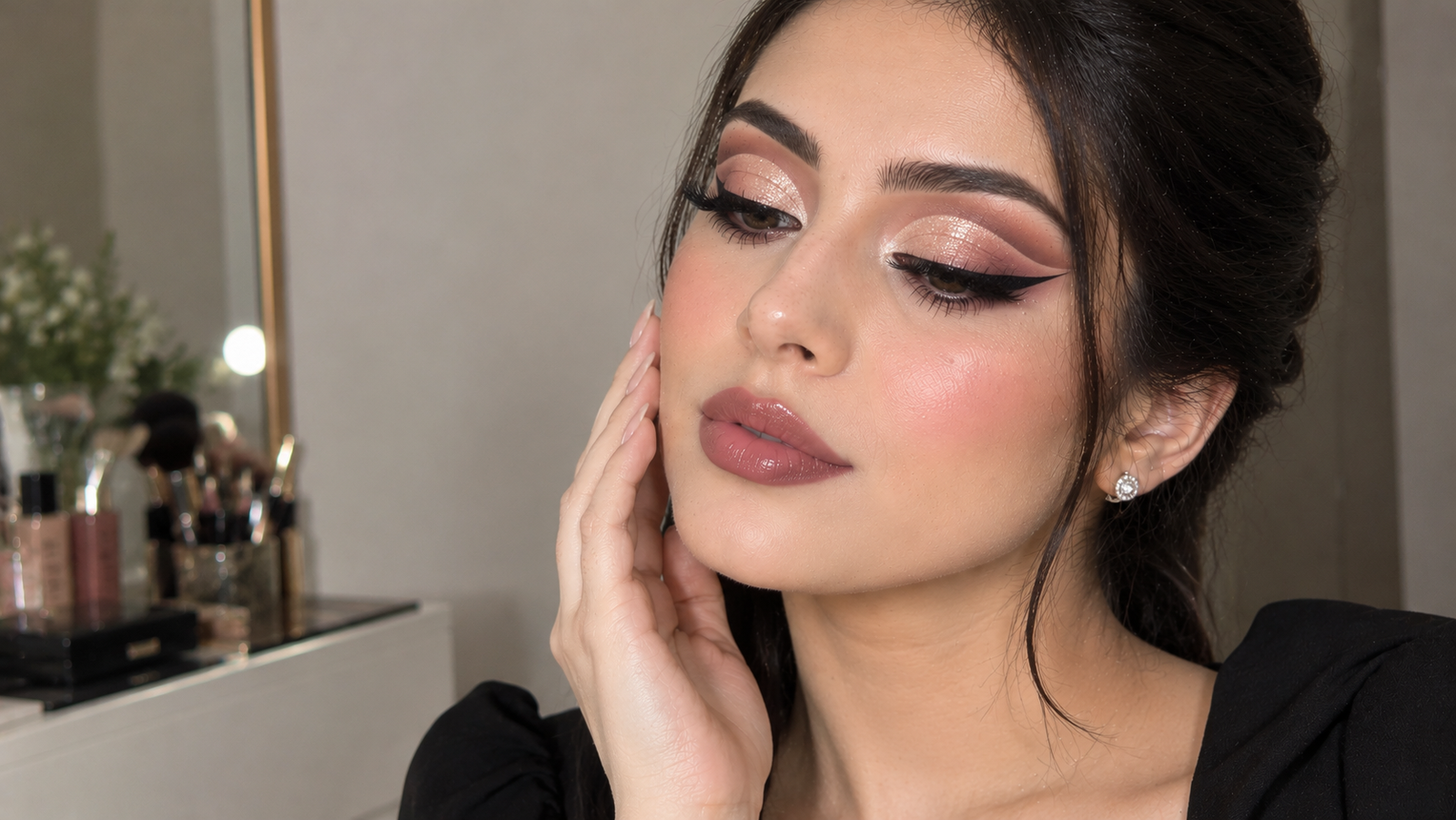
Cut crease makeup uses a defined line across the eyelid crease to separate the lid color from the deeper eyeshadow above it. The contrast can make an eye look more structured and gives space for shimmer, matte shadow, or a contrasting shade on the lid.
For a wearable version, use a neutral brown above the crease and a soft champagne shade on the lid. More graphic versions can include sharp edges, metallic colors, or a winged eyeliner finish.
Best for: Special parties, beauty events, creative photoshoots, and occasions where detailed eye makeup suits the setting.
Styling tip: Because cut crease makeup already has a defined shape, consider a simple outfit with clean lines. A solid-color dress or a tailored top allows the eye makeup to remain the main detail.
8. Monochromatic Makeup
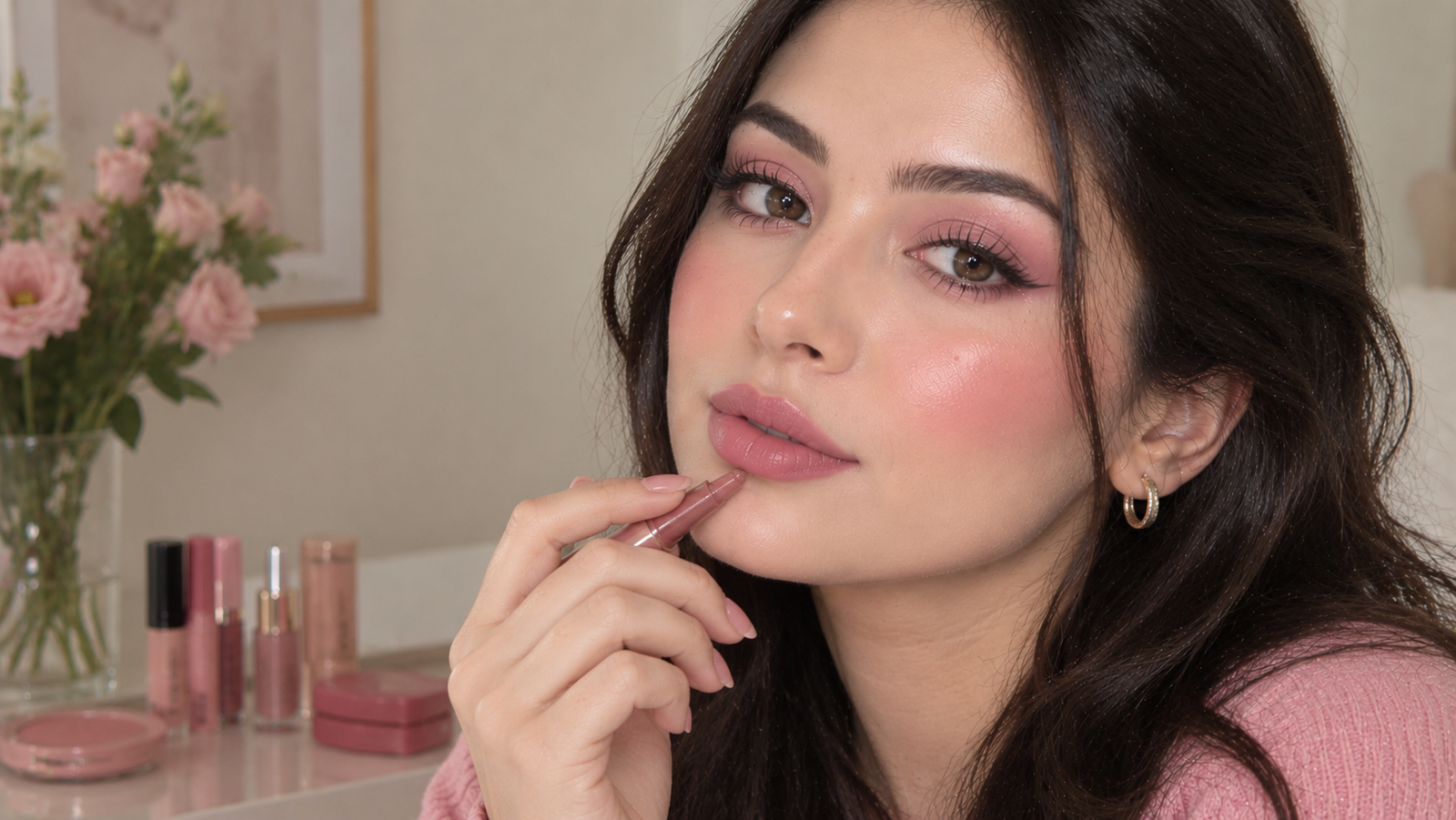
Monochromatic makeup uses similar color tones on the cheeks, eyes, and lips. Pink, peach, mauve, terracotta, and soft berry are common choices because they can be adapted for subtle daytime makeup or a stronger evening look.
You do not need to use the exact same product on every area. Instead, select shades that share a similar undertone. For example, peach blush, warm beige eyeshadow, and peachy-nude lipstick create a coordinated look without appearing identical.
Best for: Brunch, daytime parties, casual celebrations, and everyday wear.
Styling tip: Coordinate the makeup with a cream blouse, a soft pink dress, or a neutral outfit. Repeating one color family in a small accessory can connect the look without making every detail match exactly.
9. Dewy Makeup Look
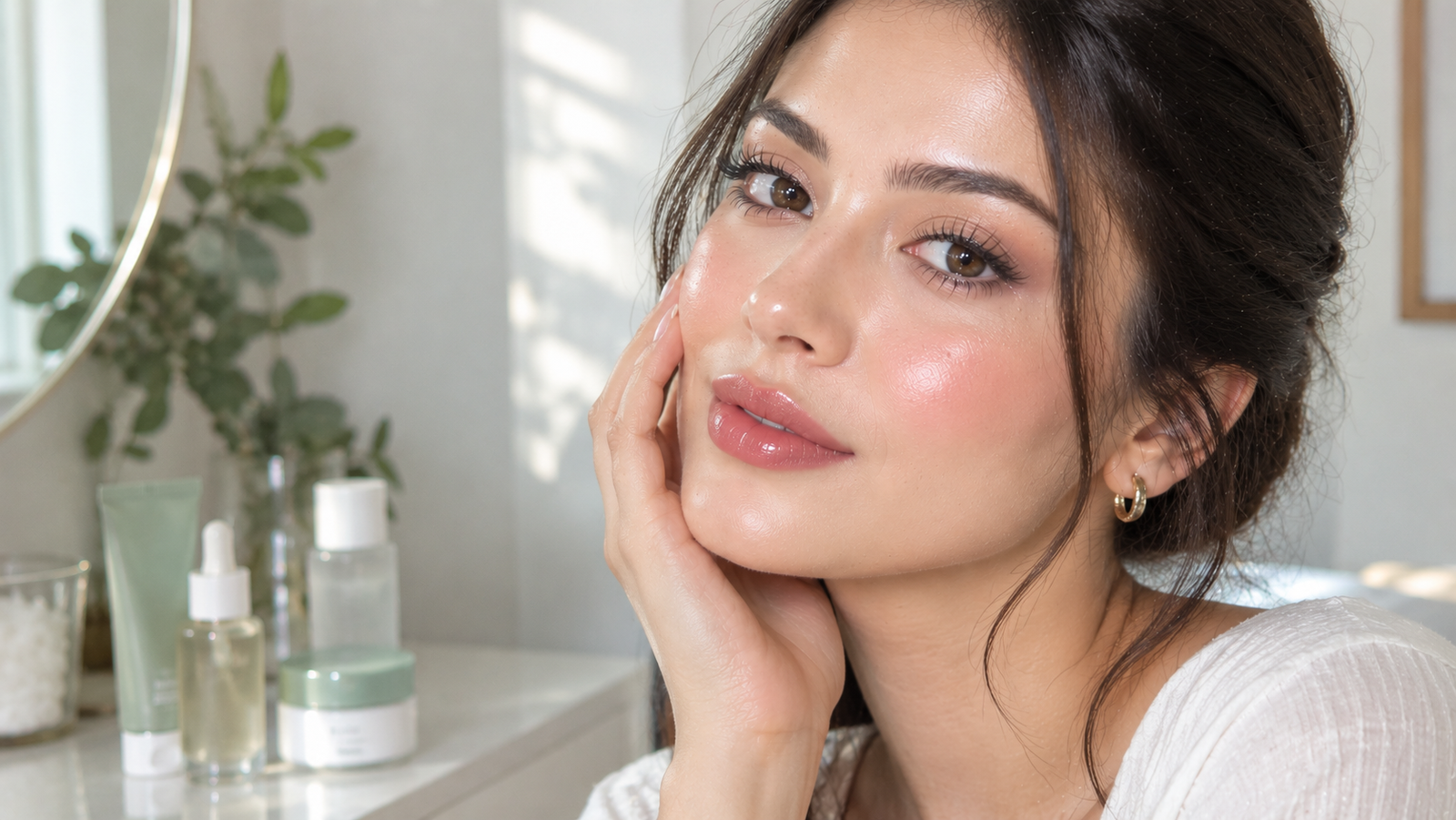
A dewy makeup look gives the complexion a fresh, moisturized appearance. It often uses hydrating skin preparation, lightweight foundation, cream blush, and a subtle highlight rather than heavy powder across the entire face.
Apply moisturizer that suits your skin, then use a thin layer of foundation or skin tint. Place highlighter sparingly on areas that naturally catch the light, such as the upper cheekbones. If your skin becomes shiny during the day, a little powder through the center of the face can help maintain balance.
Best for: Daytime events, spring and summer celebrations, photoshoots, and fresh everyday makeup.
Styling tip: Dewy makeup works well with flowy dresses, lightweight fabrics, and simple jewelry. For humid weather, use products that wear comfortably and avoid adding too many glossy layers.
10. Matte Makeup Look
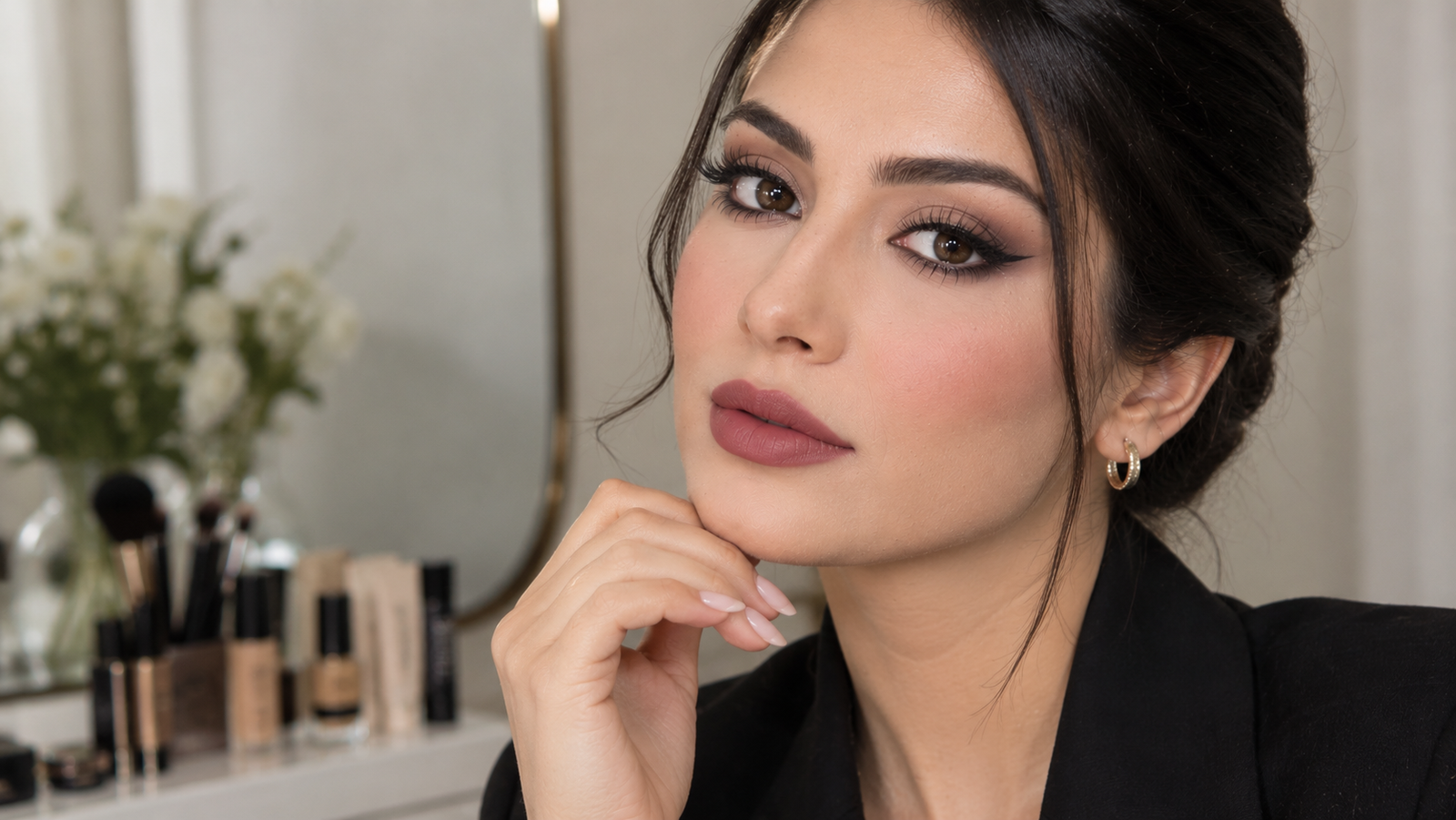
Matte makeup has a soft, low-shine finish. It can include a matte foundation, powder blush, defined brows, and matte lipstick, creating a more structured appearance than a dewy look.
Start with a comfortable moisturizer and let it absorb before applying foundation. Use powder where you need it instead of automatically covering every part of the face. A matte finish can still look natural when the base is applied in thin, well-blended layers.
Best for: Formal occasions, professional events, evening dinners, and people who prefer less shine.
Styling tip: Matte makeup pairs well with tailored suits, structured dresses, and monochromatic outfits. A satin blouse or delicate earrings can add a contrasting texture to an otherwise clean look.
11. Korean Makeup Style
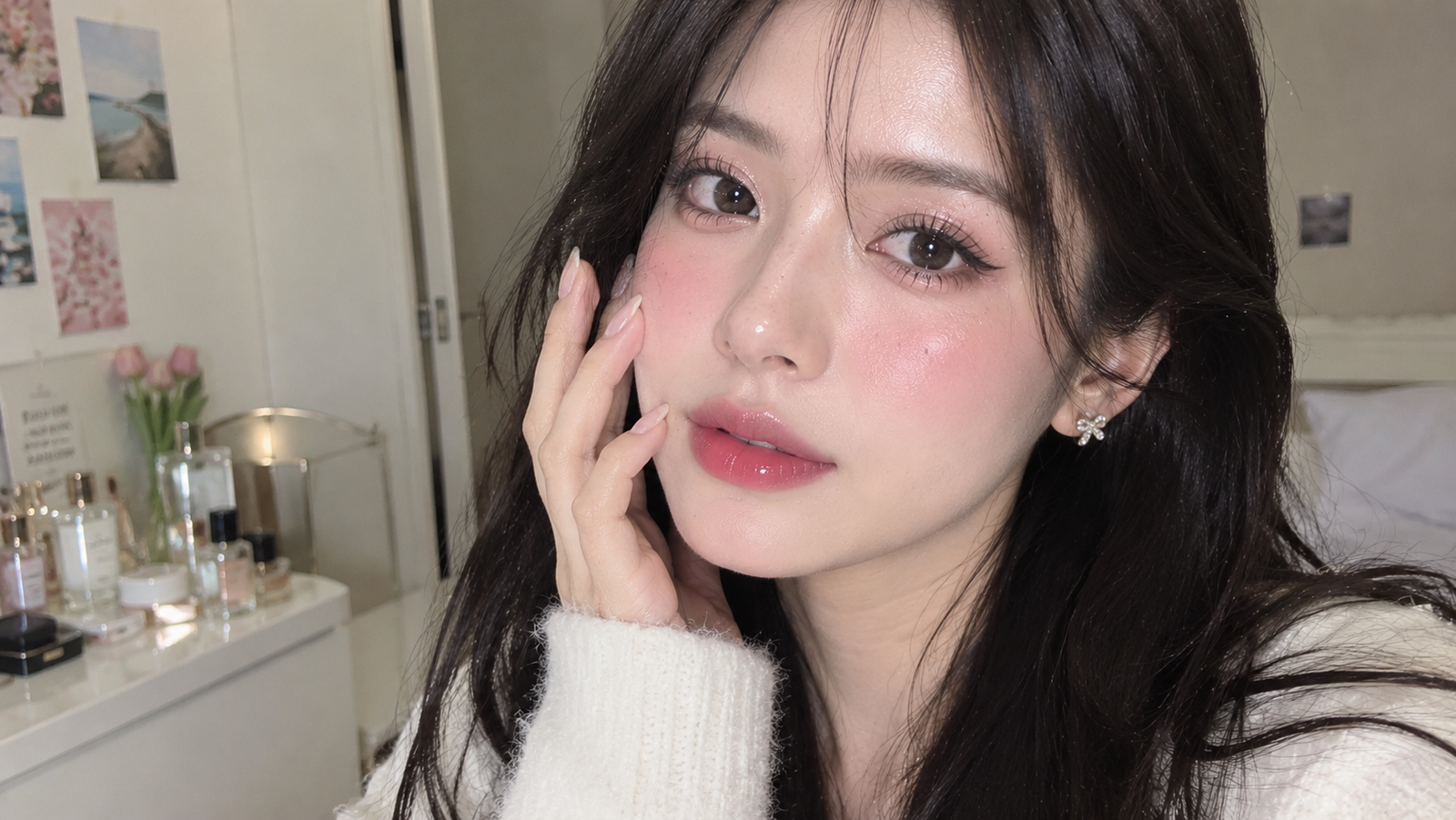
Korean-inspired makeup often emphasizes a fresh complexion, soft color, naturally defined brows, and a gradient lip. Depending on the version, it may include subtle eyeliner, a light wash of eyeshadow, and a softly luminous finish.
For a simple approach, use a thin base, peach or pink blush, and a lip tint concentrated toward the center of the lips. Blend the color outward for a softer edge. Straight or gently shaped brows can complement the look, but the best brow shape depends on your personal preference.
Best for: Everyday outings, casual dates, daytime events, and minimal beauty looks.
Styling tip: Pair this makeup with a cardigan, a simple blouse, a denim skirt, or a relaxed dress. Soft fabrics and understated accessories suit the fresh, uncomplicated feel of the makeup.
12. Bridal Makeup Look
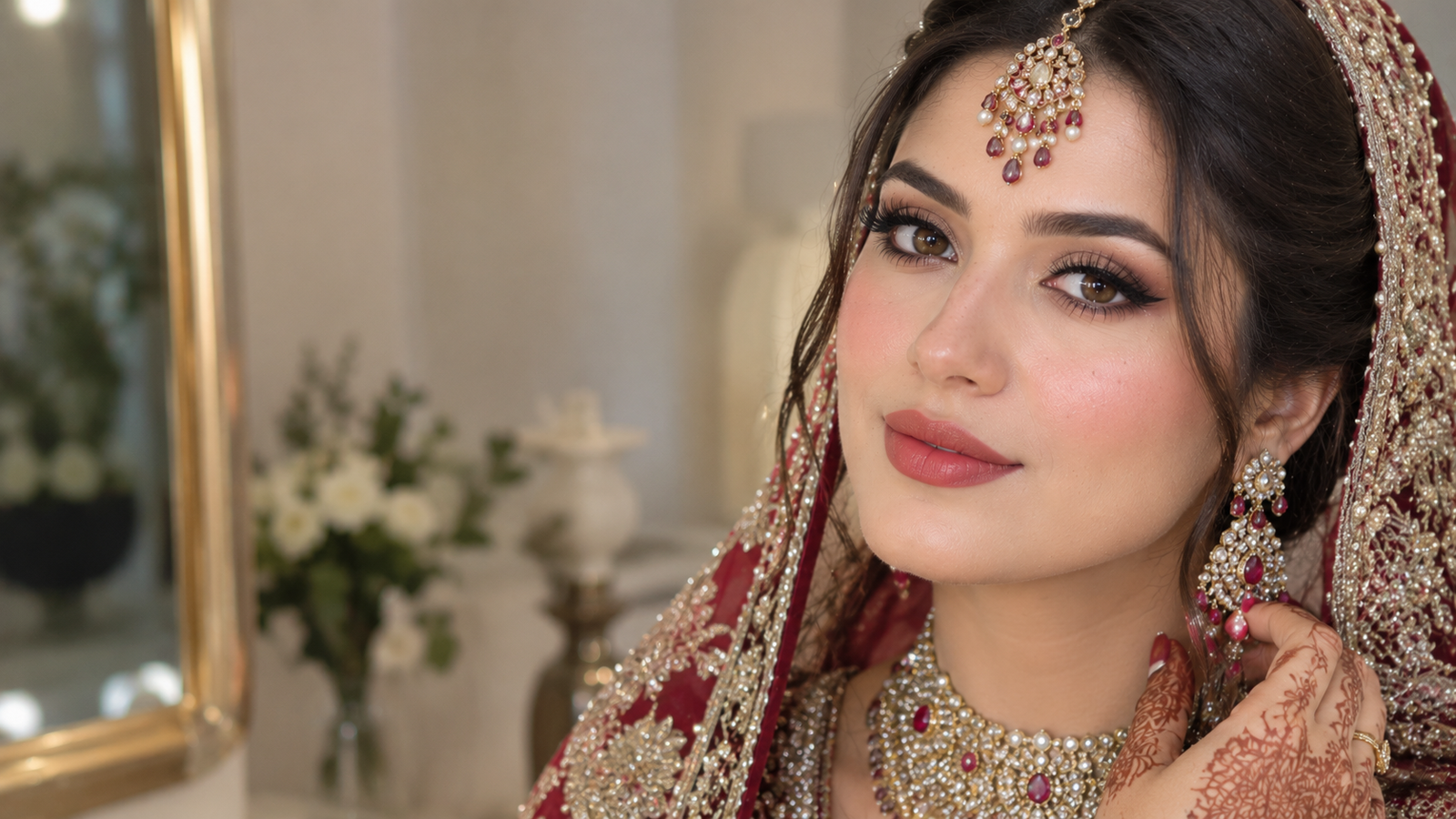
Bridal makeup is designed for a long celebration that may include daylight, indoor lighting, photography, and hours of wear. The finish can be natural, soft glam, matte, or full glam depending on the bride’s preferences, outfit, and event.
Skin preparation, well-blended base makeup, and carefully chosen eye and lip products are especially important. A long-wearing foundation and setting products can help the makeup last, but the formula should still feel comfortable. Testing the look before the event helps identify issues with color, texture, or wear.
Best for: Weddings, engagement ceremonies, and formal bridal celebrations.
Styling tip: Consider the outfit’s embroidery, neckline, jewelry, and overall color palette before choosing the makeup. Heavy embellishment can work with either soft or dramatic makeup; the goal is to create a coordinated look rather than matching every detail.
13. Vintage Makeup Style
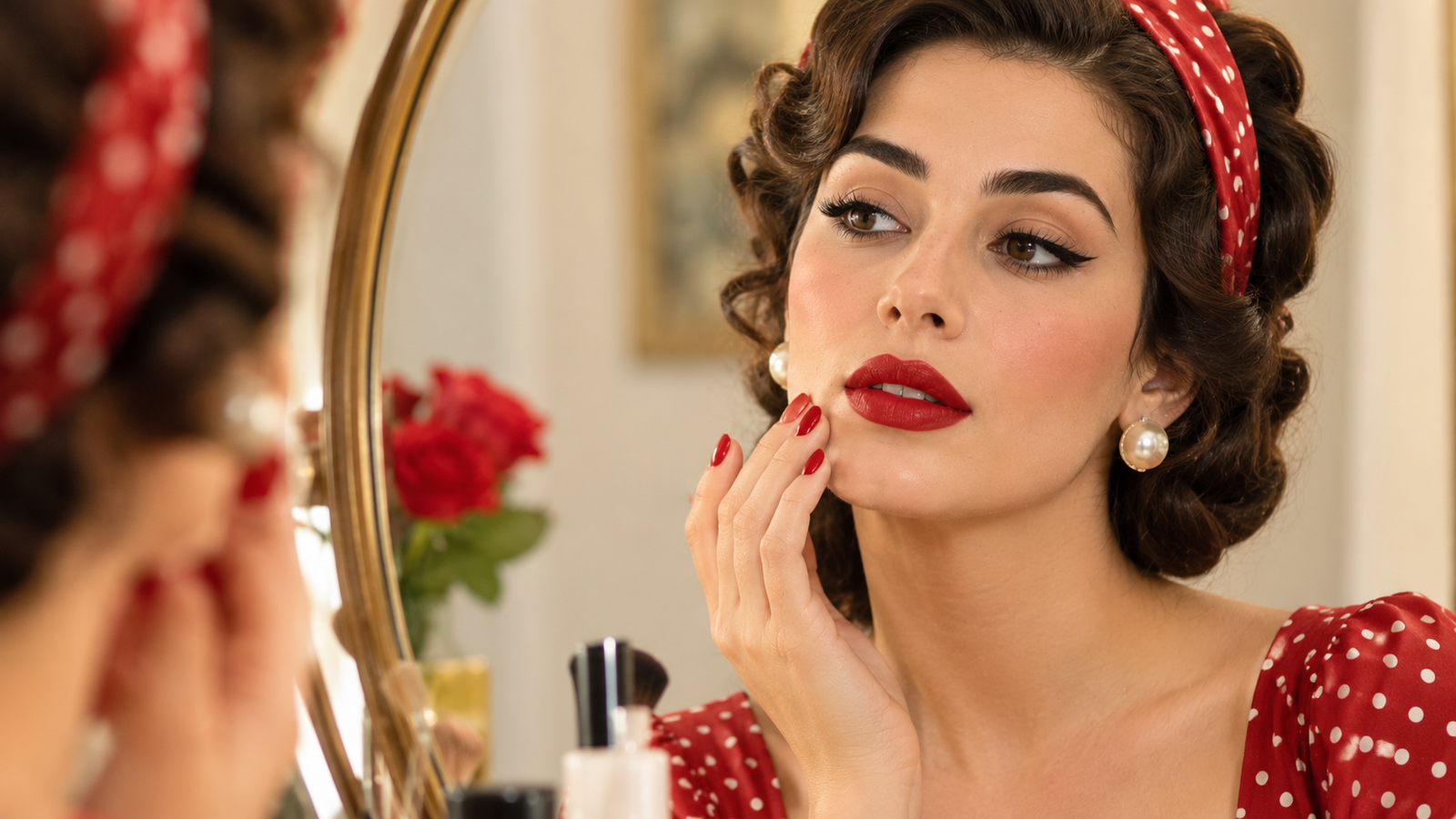
Vintage makeup draws inspiration from beauty looks associated with earlier decades. A popular version features winged eyeliner, defined brows, a clean complexion, and a classic red lip. Other interpretations may use softer eye definition or different lipstick colors.
For a recognizable vintage finish, create a thin eyeliner line first and gradually extend the outer edge. Choose a red lipstick with an undertone that suits the rest of your makeup, and keep the cheek color relatively restrained.
Best for: Retro-themed parties, formal dinners, special photoshoots, and vintage-inspired outfits.
Styling tip: A fitted dress, a square-neck blouse, or tailored trousers can complement vintage makeup. A simple hairstyle or hair accessory helps reinforce the reference without making the outfit feel like a costume.
14. Bold Lip Makeup
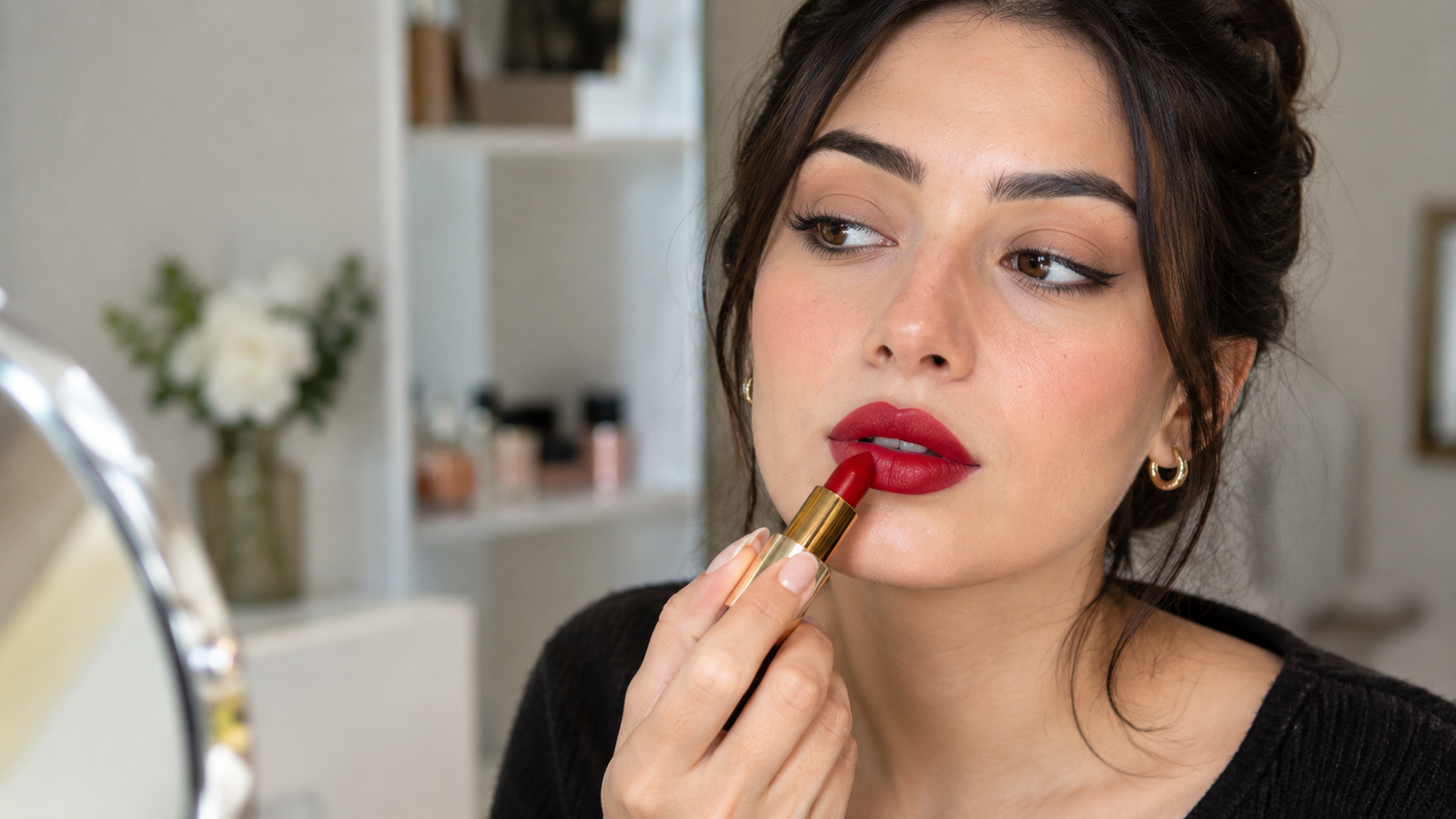
Bold lip makeup makes lipstick the main feature. Classic red, berry, plum, coral, and deeper brown shades can all work, depending on the occasion and the finish you prefer.
Prepare the lips with a comfortable balm, allow it to settle, and remove excess before applying lipstick. Use a matching lip liner if you want a more defined edge. Matte formulas provide a less reflective finish, while satin and glossy formulas create a softer or shinier appearance.
Best for: Dinner parties, weddings, evening events, and occasions when you want a clear focal point.
Styling tip: A bold lip works with a simple black dress, a white shirt, or a coordinated suit. Keep the eye makeup softer if you prefer a balanced result, or use a defined eyeliner for a more dramatic evening look.
15. Glitter Makeup Look
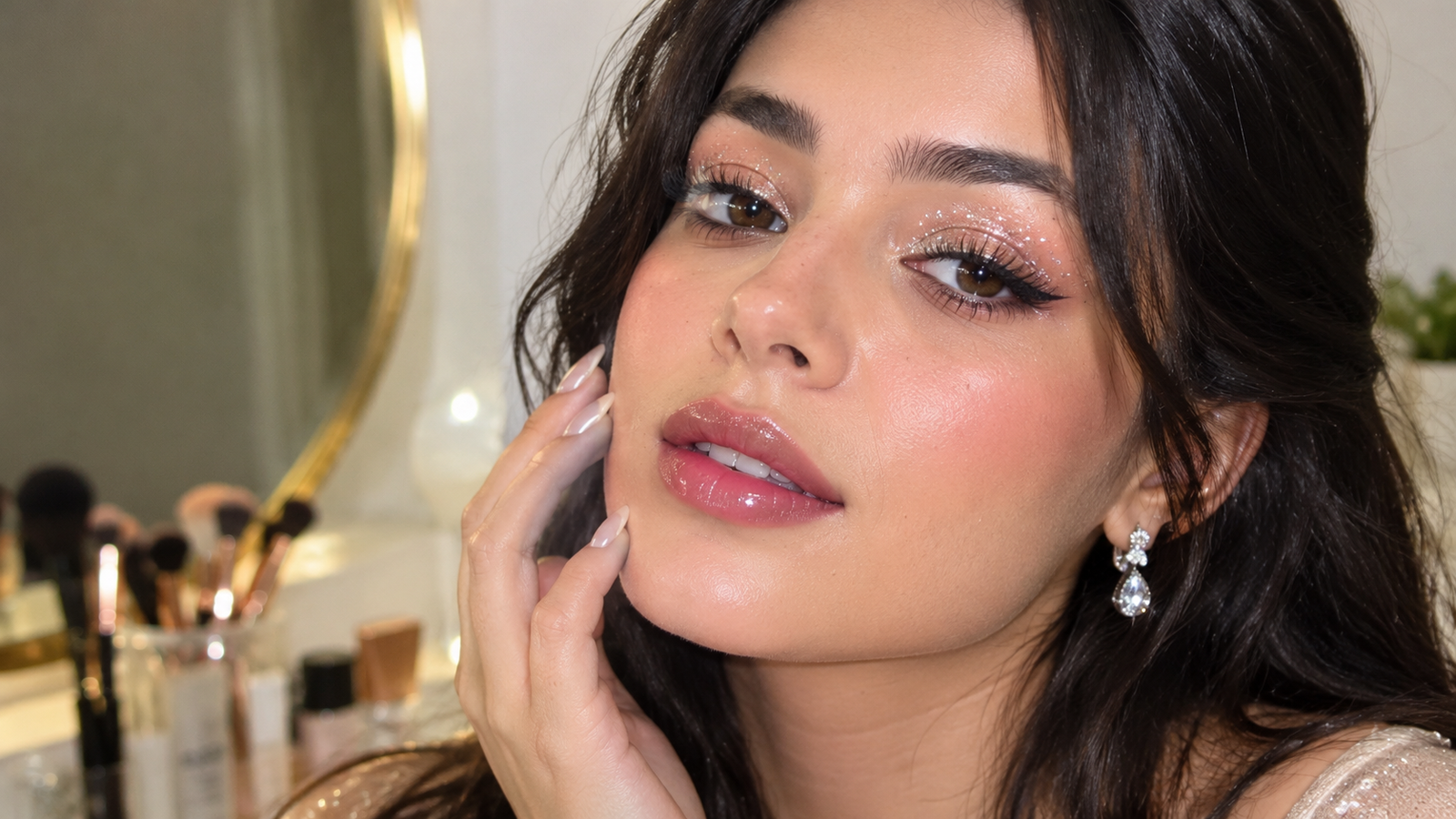
Glitter makeup adds reflective sparkle to the eyes or other selected areas of the face. It can be subtle, with a small amount of shimmer on the eyelids, or more noticeable with glitter shadow and graphic details.
For a wearable party look, apply a shimmer or glitter product designed specifically for use around the eyes. Follow the product instructions, avoid loose craft glitter near the eyes, and remove makeup gently at the end of the event.
Best for: Birthday parties, New Year’s Eve, festivals, concerts, and evening celebrations.
Styling tip: Glitter eyes work well with a simple satin dress, a sleek top, or a monochrome outfit. If your eye makeup is highly reflective, a softer lip color can keep the look visually balanced.
How to Choose Makeup Looks for Every Occasion
The most useful makeup choice is one that fits the event, your comfort level, and the time you have to get ready. Use these suggestions as a starting point rather than strict rules.
| Occasion | Makeup styles to consider | Useful detail |
|---|---|---|
| Everyday routine | Natural or no-makeup makeup | Keep coverage light and products easy to reapply. |
| Work or professional event | Classic or matte makeup | Choose comfortable products and softly defined eyes. |
| Brunch or daytime party | Monochromatic or dewy makeup | Cream blush and a coordinated lip create a fresh finish. |
| Wedding guest | Soft glam or classic makeup | Consider the event’s timing and your outfit’s colors. |
| Evening party | Smokey eye or full glam | Balance dramatic eyes with a softer lip if preferred. |
| Bridal celebration | Bridal makeup | Test the look with the outfit and jewelry beforehand. |
| Festival or concert | Glitter or bold lip makeup | Choose long-wearing products and comfortable textures. |
Common Makeup Styling Mistakes to Avoid
A makeup look can become harder to wear when too many products compete for attention or when the finish does not suit the occasion. A few small adjustments can make the result more cohesive.
- Using too much base makeup: Apply foundation in thin layers and add coverage only where you want it.
- Skipping skin preparation: Clean, moisturized skin can help makeup apply more evenly. Choose products that suit your skin rather than using a routine that feels heavy.
- Overlooking the lighting: Makeup may look different in daylight, indoor lighting, and photographs. Check your finished look in lighting similar to the event.
- Combining too many focal points: Bold eyes, glitter, and a strong lip can work together, but each detail should have a clear purpose.
- Choosing products without considering wear time: For a long event, consider how the formula wears and whether you will have time to touch up.
- Ignoring comfortable removal: Remove eye and face makeup gently at the end of the day instead of rubbing the skin aggressively.
FAQs
What are the most popular makeup style names?
Common makeup style names include natural makeup, soft glam, full glam, classic makeup, no-makeup makeup, smokey eye, cut crease, monochromatic makeup, dewy makeup, matte makeup, Korean-inspired makeup, bridal makeup, vintage makeup, bold lip makeup, and glitter makeup.
Which makeup style is best for everyday use?
Natural makeup and no-makeup makeup are practical options for everyday use. Both can be created with a small number of products, such as concealer, mascara, blush, and lip balm. Choose the amount of coverage and definition that feels comfortable for your routine.
What is the difference between soft glam and full glam makeup?
Soft glam generally uses blended neutral shades, moderate definition, and a balanced finish. Full glam usually involves more noticeable coverage, contour, eye makeup, lashes, or lipstick. Both can be adjusted to suit different events and personal preferences.
Which makeup look is suitable for a wedding guest?
Soft glam, classic makeup, and a subtle dewy look are useful options for wedding guests. Consider the event’s timing, dress code, outfit, and the amount of time you will spend outdoors before deciding on the finish.
How do I choose a makeup style for my outfit?
Start with the outfit’s color, fabric, embellishment, and formality. A simple outfit can accommodate a stronger lip or dramatic eyes, while an embellished outfit may pair well with softer makeup. These are options, not fixed rules; choose the combination that feels cohesive to you.
Is matte or dewy makeup better?
Neither finish is universally better. Dewy makeup creates a luminous appearance, while matte makeup reduces visible shine. Your preferred finish may depend on your skin, the weather, the event, and how you want the makeup to look throughout the day.
Conclusion
Start by choosing the effect you want: natural, softly defined, dramatic, luminous, or matte. Then select one makeup style that suits the occasion and build the look with a few complementary products. A clear focal point—such as a classic red lip, softly blended eyes, or a touch of glitter—often makes the finished makeup feel more intentional than adding every trend at once.