Fashion is constantly changing, but some clothing pieces remain valuable because of their versatility, comfort, and timeless appearance. The blazer is one such wardrobe essential. It has traditionally been associated with formal occasions, office environments, and professional clothing. However, modern fashion has introduced new ways to wear this classic piece, making it suitable for everyday outfits, casual gatherings, and stylish evening looks. Blazertje represents an interesting approach to this evolving fashion trend, combining the familiar appeal of a blazer with a more relaxed and adaptable styling concept.
The term Blazertje is associated with the Dutch word for a small or little blazer, using the diminutive ending commonly found in Dutch. In fashion discussions, it can describe a smaller, lighter, or more casually styled blazer. Rather than following the traditional rules of formal dressing, this approach focuses on creating outfits that feel comfortable while maintaining a polished appearance. Whether someone prefers minimalist clothing, modern streetwear, or classic fashion, understanding the Blazertje concept can help make everyday styling more creative and practical.
What Is Blazertje?
Blazertje is a fashion-related term connected to the traditional blazer, but its meaning can extend beyond a particular garment design. In Dutch, the word is formed from “blazer” and the diminutive suffix “-tje,” which generally communicates something smaller or more modest in size. Depending on the context, it can refer to a little blazer or a more compact version of the familiar jacket.
In modern styling discussions, the idea behind Blazertje can represent a more approachable interpretation of blazer fashion. Traditional blazers are often structured, relatively formal, and designed to create a professional appearance. A lighter or shorter blazer, on the other hand, may feel easier to incorporate into everyday clothing. This makes the concept appealing to people who want a smart appearance without wearing a complete formal outfit.
It is important to understand that Blazertje is not a universally recognized technical category of clothing with one fixed design. Different retailers, fashion writers, and individuals may use the word differently. Its overall connection to blazer styling, however, makes it an interesting subject for anyone exploring modern wardrobe choices.
Why Blazertje Is Becoming an Interesting Fashion Concept
Modern fashion increasingly values clothing that can work in different environments. People want outfits that look appropriate at work but can also be worn during social activities without requiring a complete wardrobe change. This growing interest in flexible styling has made blazer-inspired clothing particularly relevant.
The Blazertje concept fits naturally into this approach because it encourages people to think about blazers as more than formal jackets. A lightweight design can be paired with jeans, casual trousers, skirts, dresses, or even simple everyday tops. Instead of creating a strict professional appearance, it allows individuals to experiment with different combinations while keeping their outfits balanced.
Another reason this concept attracts attention is its connection to minimalist fashion. A well-selected blazer can transform a basic outfit without requiring numerous accessories or complicated styling techniques. Someone wearing a simple shirt and trousers can achieve a more refined appearance by adding a suitable blazer. This balance between simplicity and sophistication is an important part of contemporary clothing trends.
Different Styles and Designs Associated With Blazertje
Blazer-inspired fashion comes in many shapes, fabrics, colors, and fits. Understanding these differences can help shoppers select clothing that suits their personal style and everyday requirements.
Oversized Blazertje
Oversized blazers are popular among people who prefer relaxed silhouettes and contemporary streetwear. These designs usually feature wider shoulders, longer sleeves, and a looser body shape. They create a comfortable appearance while maintaining the recognizable structure of a traditional blazer.
An oversized design can be paired with fitted jeans, simple tops, leggings, or straight-leg trousers. The contrast between a loose jacket and more fitted clothing helps create a balanced outfit. Neutral shades such as black, beige, gray, and brown are particularly versatile because they can complement many wardrobe combinations.
Cropped Blazertje
A cropped blazer features a shorter body length, often ending around the waist or slightly above the hips. This design creates a modern silhouette and can work particularly well with high-waisted trousers, skirts, and dresses.
Cropped designs are useful for people who want to experiment with proportions. They can make an outfit appear more structured without adding the visual weight of a longer jacket. Depending on the fabric and tailoring, a cropped blazer can work for both casual occasions and more polished events.
Lightweight Blazertje
Lightweight blazers offer a comfortable alternative to heavier structured jackets. They are often made using breathable materials that are suitable for warmer weather, indoor environments, and transitional seasons.
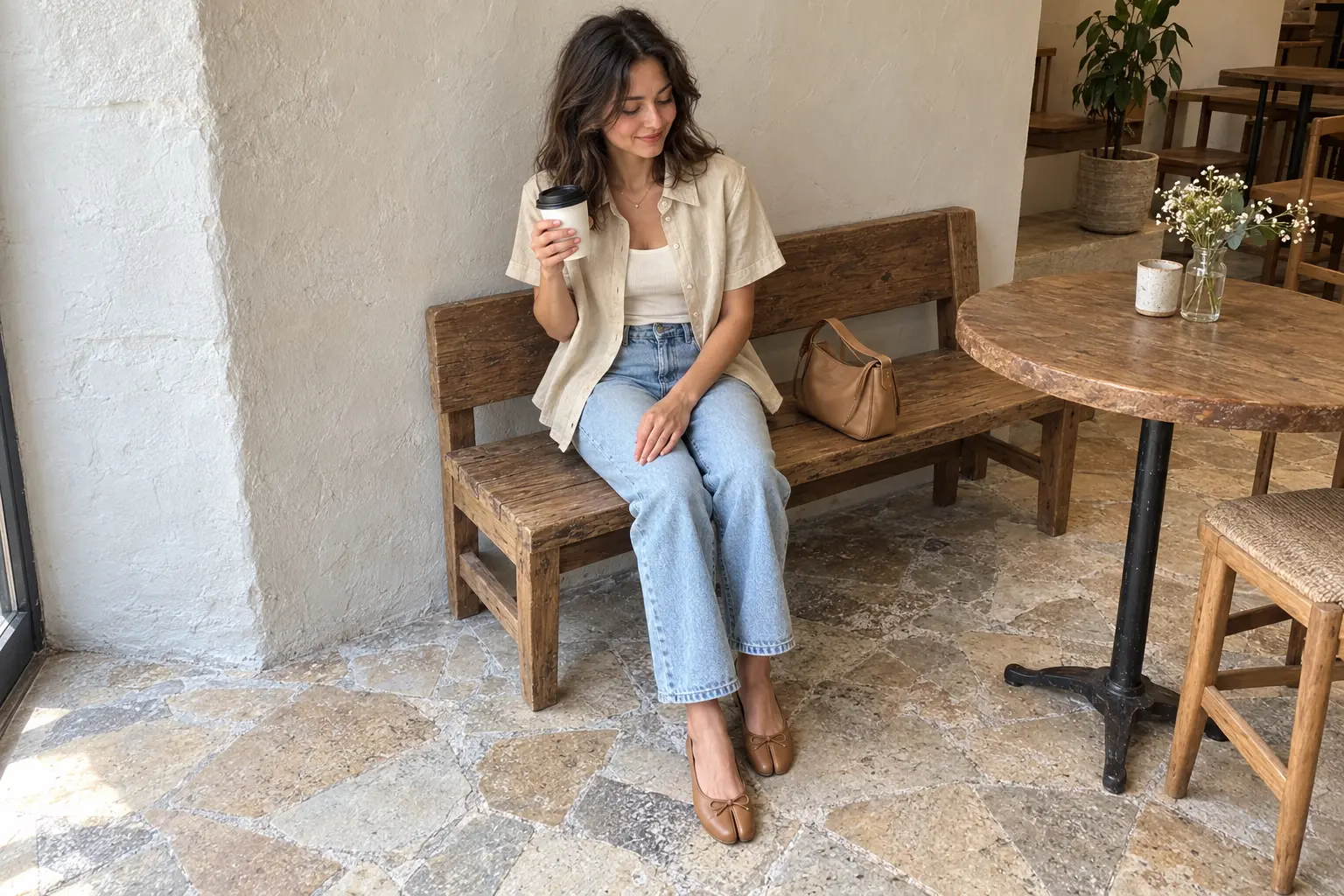
These designs can be worn over T-shirts, lightweight shirts, and simple dresses. Their relaxed construction makes them suitable for people who enjoy layering but do not want their clothing to feel too heavy. Linen blends, cotton, and lightweight woven fabrics are common options to consider.
Tailored Blazertje
Tailored designs focus on clean lines, defined shoulders, and a more fitted appearance. They are closely connected to traditional blazer fashion but can still be styled in modern and casual ways.
A tailored blazer can be worn with dress trousers for professional occasions or combined with jeans for a smart-casual outfit. It is a useful choice for people who appreciate classic clothing but want something more adaptable than a traditional business suit.
Best Fabrics for Blazertje Clothing
Fabric selection plays an important role in how a blazer looks, feels, and performs. The same design can create completely different impressions depending on its material. Some fabrics are better suited to formal environments, while others offer the comfort and flexibility needed for everyday styling.
Wool is a traditional choice for structured blazers because it provides a refined appearance and works well in cooler weather. Lightweight wool fabrics can also be suitable for year-round professional clothing. Cotton offers another practical option, especially for people who prefer breathable materials and a slightly more relaxed finish.
Linen is particularly useful during warmer months. It allows airflow and creates a naturally relaxed appearance, although it wrinkles more easily than many other fabrics. Polyester blends are also widely available because they can provide durability, shape retention, and easier maintenance, depending on the construction and fabric quality.
The following table provides a general comparison of common blazer materials.
| Fabric | Main characteristics | Suitable use |
|---|---|---|
| Wool | Structured and comfortable | Professional and formal outfits |
| Cotton | Breathable and versatile | Everyday and smart-casual styling |
| Linen | Lightweight and airy | Summer and warm-weather outfits |
| Polyester blends | Durable and practical | Regular everyday wear |
| Tweed | Textured and distinctive | Classic and seasonal fashion |
| Velvet | Rich and elegant appearance | Evening and special occasions |
When choosing a fabric, consider the climate, intended use, and level of maintenance required. A material that looks attractive in a store may not necessarily be the most practical option for everyday wear.
How to Style Blazertje for Casual Occasions
One of the most appealing aspects of modern blazer fashion is its ability to make simple outfits look more complete. A blazer does not always need to be paired with formal trousers or dress shoes. With the right combination, it can become a natural part of everyday clothing.
Blazertje with Jeans and a Basic T-Shirt
Combining a blazer with jeans and a basic T-shirt is one of the easiest ways to create a smart-casual outfit. The jeans provide a relaxed foundation, while the blazer adds structure and visual interest.
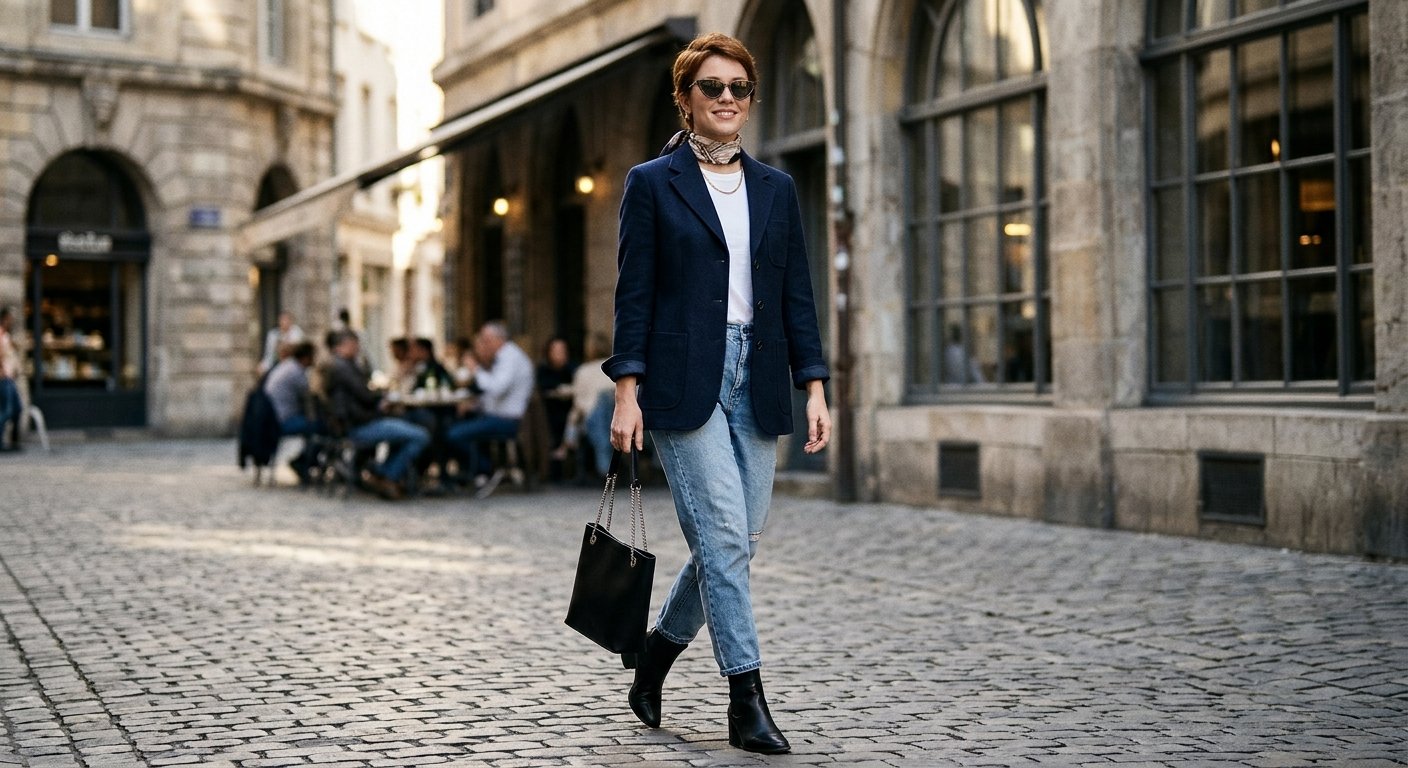
A black or beige blazer can work well with blue denim and a white T-shirt. Sneakers create a comfortable everyday appearance, while ankle boots or loafers can make the combination look slightly more polished. This outfit is suitable for casual meetings, shopping trips, lunches, and informal social gatherings.
Blazertje with Casual Trousers
Casual trousers offer another excellent styling option. Straight-leg trousers, relaxed-fit pants, and tailored cotton designs can all work with a lightweight blazer. Choosing complementary colors helps create a coordinated outfit without making it appear overly formal.
For example, a gray blazer can be paired with black trousers and a neutral shirt. A brown or beige design can work well with cream-colored clothing. These combinations are especially useful for people who prefer understated fashion.
Blazertje with Dresses and Skirts
A blazer can also be layered over dresses and skirts. This combination creates an interesting contrast between structured outerwear and softer clothing. A cropped blazer may work particularly well with a high-waisted skirt, while a longer design can complement a simple midi dress.
For daytime styling, choose comfortable shoes and minimal accessories. For evening occasions, elegant footwear and a small handbag can make the outfit feel more sophisticated.
How to Wear Blazertje for Formal and Professional Events
Although casual styling has become increasingly popular, blazers remain an important part of professional clothing. Their structured appearance makes them suitable for workplaces, interviews, presentations, and business-related events.
A tailored Blazertje-inspired outfit can create a polished appearance without requiring a traditional matching suit. Pairing a structured blazer with well-fitted trousers, a clean shirt, and formal shoes is a straightforward way to achieve a professional look.
Color selection is particularly important in formal environments. Black, navy, charcoal, and dark gray are dependable options because they create a refined appearance and work with many other clothing pieces. Lighter shades can also be appropriate in workplaces with more flexible dress codes.
For important meetings and professional events, pay attention to the fit, condition, and overall appearance of the clothing. Wrinkled fabric, poorly fitting sleeves, and unsuitable footwear can affect the balance of an otherwise attractive outfit. A well-maintained blazer can make a simple professional wardrobe look considerably more organized.
Choosing the Right Blazertje for Your Body Shape
Finding a suitable blazer is not only about following fashion trends. The fit and proportions of a garment can influence how comfortable and balanced an outfit looks. Different cuts offer different visual effects, so it is useful to understand what to consider before purchasing one.
People who prefer a defined silhouette may appreciate tailored designs with a slightly shaped waist. Those who enjoy relaxed clothing can explore oversized styles, provided the shoulders and sleeve lengths remain comfortable. Cropped designs can work well with high-waisted clothing, while longer blazers can create a streamlined appearance when paired with appropriately fitted trousers.
Shoulder placement deserves particular attention because it affects the overall structure of a blazer. The sleeves should also allow natural movement without feeling restrictive. When possible, try the jacket with the type of clothing you expect to wear underneath it. This makes it easier to evaluate comfort and layering.
There is no single blazer style that works best for everyone. Personal comfort, individual preferences, and the intended occasion should guide the final choice.
Blazertje Color Trends and Wardrobe Combinations
Color can completely change the personality of a blazer. Some shades create a traditional and professional appearance, while others bring a more relaxed or expressive quality to an outfit.
Neutral colors remain practical because they are easy to combine with different clothing pieces. Black offers a classic appearance, navy provides a softer alternative to black, and beige works particularly well with lighter wardrobe colors. Gray is another flexible option that can be styled with both warm and cool shades.
For people who enjoy experimenting, colors such as burgundy, olive green, chocolate brown, and muted blue can introduce more personality into everyday outfits. These shades can work especially well during autumn and winter when clothing often includes deeper colors and textured materials.
Patterns are another way to create variety. Subtle checks, pinstripes, and textured fabrics can make a blazer more distinctive without overwhelming the rest of the outfit. The key is to maintain balance by combining patterned outerwear with relatively simple clothing.
Accessories That Complement Blazertje Outfits
Accessories can help complete an outfit, but they should support the overall appearance rather than compete with the blazer. Choosing the right footwear, bags, belts, and jewelry can make a noticeable difference in how an outfit looks.
For casual styling, clean sneakers, simple handbags, and minimal jewelry can create a relaxed appearance. Loafers and ankle boots are useful alternatives when a slightly more polished look is preferred. For professional outfits, leather belts, structured bags, and understated watches can complement the clean lines of a tailored blazer.
Jewelry can also influence the final impression. Small earrings and delicate necklaces are suitable for minimalist combinations, while more noticeable accessories can add personality to simple outfits. However, using too many statement pieces at once may make the overall appearance feel less balanced.
The best approach is to select accessories according to the occasion and the design of the blazer. A simple outfit often benefits more from a few carefully selected details than from an excessive number of accessories.
Seasonal Styling Ideas for Blazertje
Blazer fashion can be adapted throughout the year by changing fabrics, colors, and layering techniques. Choosing seasonally appropriate materials helps maintain comfort without sacrificing style.
During spring, lightweight cotton and linen-blend designs can be paired with shirts, dresses, and lighter trousers. Soft shades such as beige, cream, pale blue, and light gray complement the fresh appearance of spring clothing.
Summer styling benefits from breathable materials and relaxed fits. Unlined blazers can be useful for cooler indoor environments or evening occasions. They can be layered over lightweight tops and dresses without creating an overly heavy outfit.
Autumn provides an opportunity to experiment with richer colors and textured fabrics. Brown, olive, burgundy, and charcoal blazers work well with denim, knitwear, and ankle boots. During winter, wool and heavier blended fabrics provide additional warmth when layered over sweaters or other suitable clothing.
Rather than purchasing a separate blazer for every season, choosing a few versatile designs can make a wardrobe more practical and easier to manage.
How to Care for and Maintain a Blazertje
Proper care helps preserve the appearance, shape, and durability of a blazer. Different fabrics require different cleaning methods, so checking the garment’s care label should always be the first step.
Some blazers can be gently washed according to their care instructions, while others require professional dry cleaning. Wool, velvet, and certain structured garments may need specialized treatment. Avoid assuming that every blazer can be placed in a washing machine, as this may damage its fabric, lining, or construction.
Storage is equally important. Use a suitable clothes hanger to support the shoulders and help maintain the garment’s shape. Avoid overcrowding the wardrobe because tightly packed clothing can develop wrinkles. For minor creases, use an appropriate steamer or follow the manufacturer’s ironing instructions.
It is also useful to address small problems before they become more serious. Loose buttons, minor stitching issues, and damaged lining can often be repaired. Regular maintenance helps keep a favorite blazer looking presentable for longer.
Common Blazertje Styling Mistakes to Avoid
Even a versatile clothing piece can look less effective when the fit, proportions, or overall combination are not considered carefully. One common mistake is choosing a blazer that is too tight around the shoulders or chest. This can restrict movement and affect the way the garment sits on the body.
Another issue is combining too many competing styles. For example, a highly structured blazer, heavily patterned trousers, bold footwear, and several statement accessories may create an unnecessarily busy outfit. A more balanced combination usually looks cleaner and more intentional.
Ignoring fabric and weather conditions can also affect comfort. Wearing a heavy wool blazer in hot weather may feel uncomfortable, while a very lightweight linen design may not provide enough warmth during colder months.
Finally, buying a blazer simply because it is fashionable can lead to unnecessary wardrobe purchases. Consider whether the garment works with clothing you already own and whether you can wear it on multiple occasions. Practicality and personal comfort should remain important parts of every fashion decision.
Is Blazertje a Good Choice for a Modern Wardrobe?
Blazer-inspired clothing can be a valuable addition to a modern wardrobe because it offers considerable flexibility. A suitable design can work with casual jeans, professional trousers, dresses, and seasonal clothing. This makes it easier to create different outfits without purchasing an entirely new collection of clothes.
The concept is particularly useful for people who prefer clothing that can transition between different environments. A lightweight blazer can make a casual outfit look more refined, while a tailored design can provide the structure needed for professional occasions. The variety of available fabrics, cuts, and colors also means that people can choose options that reflect their individual preferences.
However, the value of a Blazertje-inspired garment ultimately depends on its quality, fit, and practical use. A comfortable blazer that works with several existing outfits is generally a more worthwhile purchase than a trendy design that rarely gets worn. Thinking about versatility rather than short-term fashion trends can help create a more functional wardrobe.
Conclusion
Blazertje represents an interesting interpretation of traditional blazer fashion, connecting the classic appeal of structured outerwear with a more flexible approach to everyday styling. Its connection to the Dutch diminutive word for a blazer makes it an appealing term for discussing smaller, lighter, or more relaxed blazer designs. From oversized and cropped styles to tailored and lightweight options, there are many ways to incorporate blazer-inspired clothing into a modern wardrobe.
Whether someone is preparing for a professional meeting, enjoying a casual afternoon, or choosing an outfit for an evening event, the right blazer can add structure and personality without making clothing feel unnecessarily complicated. By paying attention to fabric, fit, colors, accessories, and seasonal requirements, anyone can create combinations that feel both comfortable and stylish. Ultimately, the best approach is to select clothing that reflects personal taste while remaining practical for everyday life.
FAQ’s
What does Blazertje mean?
Blazertje is a Dutch diminutive form related to the word blazer. It generally translates to a little blazer or small blazer, although its meaning can vary depending on the fashion context.
Is Blazertje a specific type of blazer?
Not necessarily. It is not a universally standardized garment category. The term may be used to describe a smaller blazer or a more relaxed blazer-inspired style.
Can Blazertje be worn casually?
Yes. Blazer-inspired designs can be paired with jeans, T-shirts, casual trousers, sneakers, and dresses to create comfortable everyday outfits.
Is Blazertje suitable for professional occasions?
Yes. A well-fitted, structured design can be styled with dress trousers, formal shirts, and appropriate footwear for many professional environments.
Which colors are best for a versatile blazer?
Black, navy, gray, beige, and brown are useful choices because they complement many wardrobe combinations and can be worn across different occasions.
What is the difference between an oversized and cropped blazer?
An oversized blazer has a relaxed fit and generally offers more room through the body and shoulders. A cropped blazer has a shorter body length, usually ending around the waist or upper hip.
Which fabrics are best for lightweight blazers?
Cotton, linen, and lightweight fabric blends are popular options. The best choice depends on the weather, desired appearance, and level of comfort.
How should a blazer fit?
A blazer should feel comfortable around the shoulders and chest while allowing natural movement. Sleeve length and body proportions should also complement the intended style.
Can a blazer be worn in summer?
Yes. Lightweight, breathable, and unlined designs can be suitable for summer, particularly during evenings or in air-conditioned environments.
How can I make a blazer outfit look more modern?
Combining a blazer with simple clothing, well-fitted jeans, contemporary footwear, and minimal accessories is an easy way to create a modern appearance.