
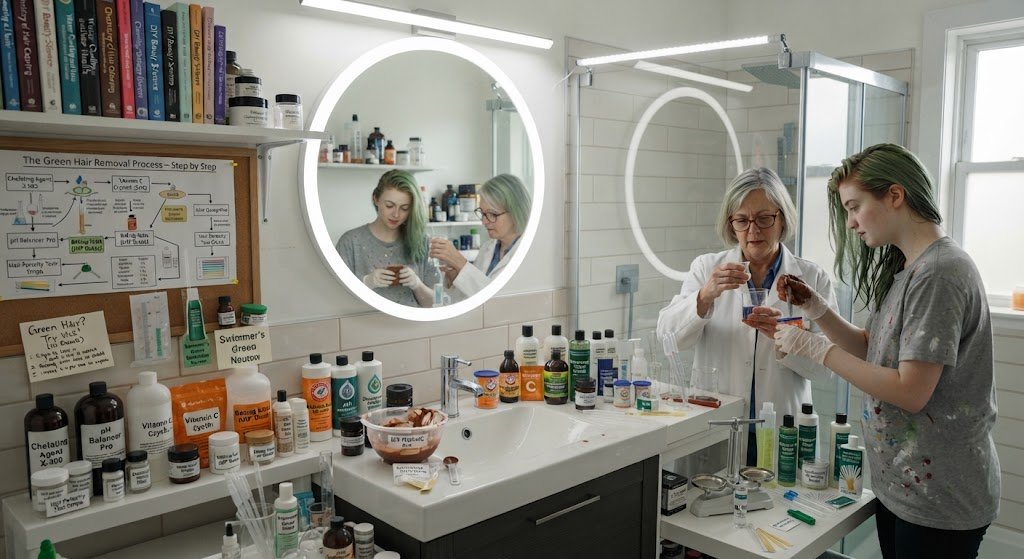
Green tones can show up in blonde, highlighted, or light-colored hair after swimming, using certain hair products, or exposing strands to mineral-rich water. The color can be frustrating, especially when you want to restore your original shade without using bleach.
The best way to learn how to get green out of hair is to identify what caused the discoloration first. For mild green tones after swimming, a clarifying or chelating shampoo may help remove the buildup responsible. For stronger discoloration, a color-safe treatment or professional color correction may be a better choice than experimenting with several home remedies.
Why Does Hair Turn Green?
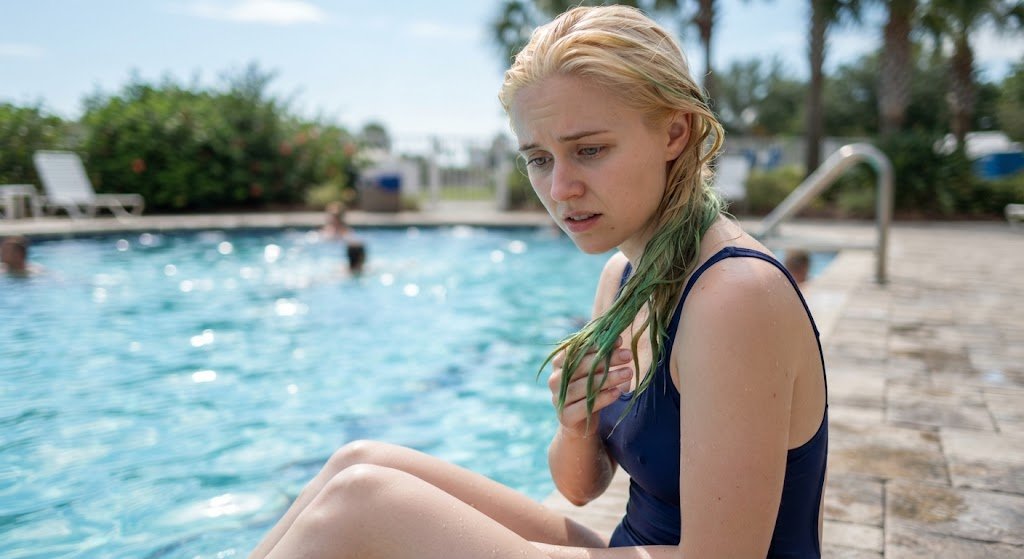
Green hair after swimming is often linked to copper in pool water rather than chlorine alone. Chlorine can contribute to dryness and damage, making hair more vulnerable to discoloration, while copper can bind to the hair and leave a greenish tint.
Blonde, bleached, highlighted, and other light-colored hair tends to show these tones more clearly. Porous or chemically treated hair may also hold onto mineral deposits more readily.
Other possible causes include:
Mineral buildup:
Copper and other metals in water can leave unwanted color on the hair.
Hair color interactions:
Certain dyes, toners, or previous color treatments can contribute to an unwanted green undertone.
Product residue:
Some products may leave a tint or buildup that changes how the hair looks.
Frequent swimming:
Repeated exposure to pool water can make discoloration more noticeable over time.
Understanding the cause helps you choose a treatment that removes the tint without unnecessarily stripping your hair.
5 Ways to Get Green Out of Hair Without Bleach
1. Use a Clarifying Shampoo
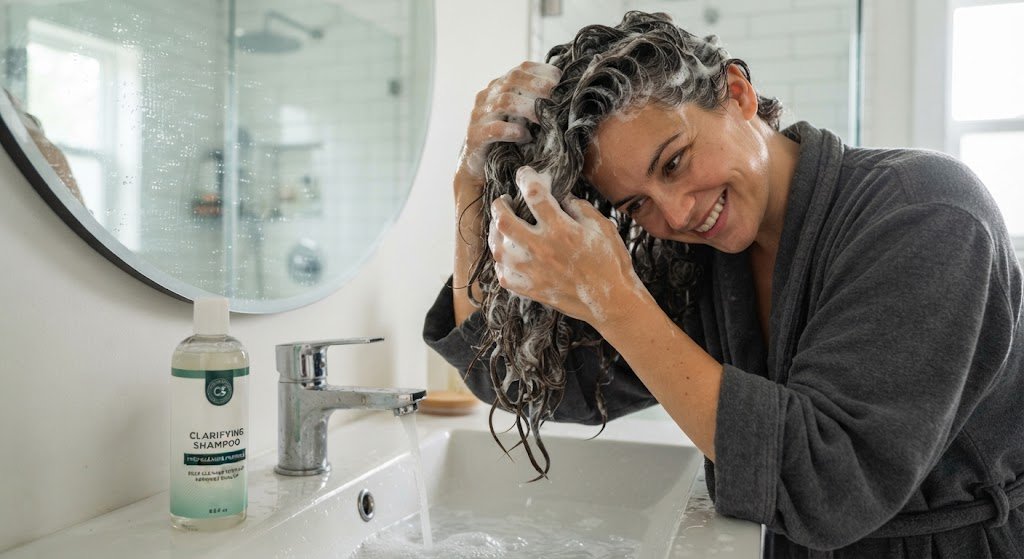
A clarifying shampoo can help remove product residue and some surface buildup. It may be useful if your hair has a faint green tint after swimming, especially when the discoloration is mild.
Choose a formula suitable for your hair type and follow the directions on the bottle. Rinse thoroughly and apply a moisturizing conditioner afterward, since clarifying shampoos can leave dry or color-treated hair feeling rough. One wash may be enough for mild buildup, but stubborn green tones may need a different treatment.
Best for: Mild discoloration, swimmers, and hair with noticeable product buildup.
2. Try a Chelating Shampoo for Mineral Buildup
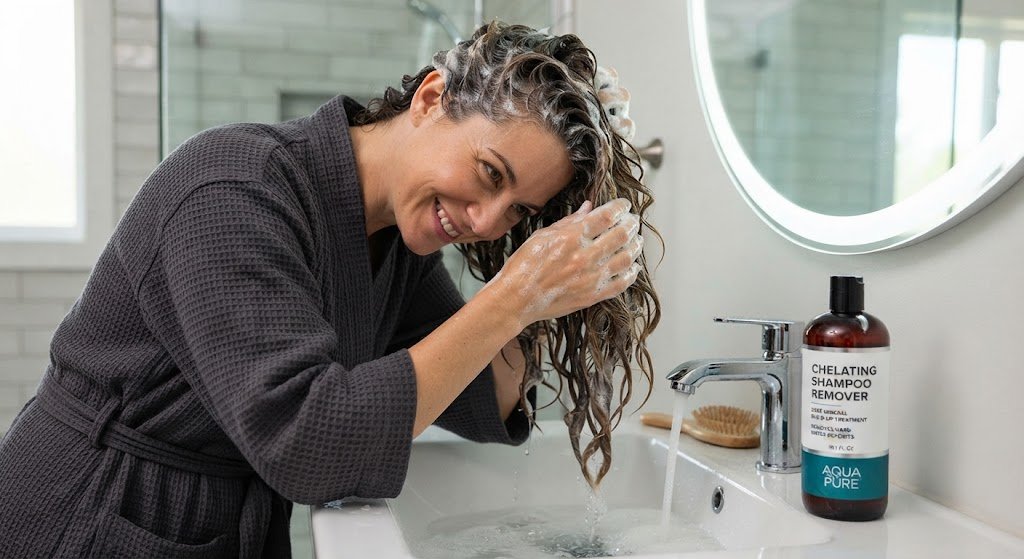
If your blonde hair turned green after swimming, a chelating shampoo may be more appropriate than an ordinary clarifying shampoo. Chelating formulas are designed to help remove mineral deposits, including metals that can accumulate on the hair.
Follow the product directions carefully, particularly if your hair is bleached, highlighted, fragile, or recently colored. Use a conditioner or moisturizing mask afterward, and avoid repeating the treatment more often than the instructions recommend.
Best for: Green tones associated with copper or other mineral deposits.
3. Wash With a Swimmer-Specific Shampoo
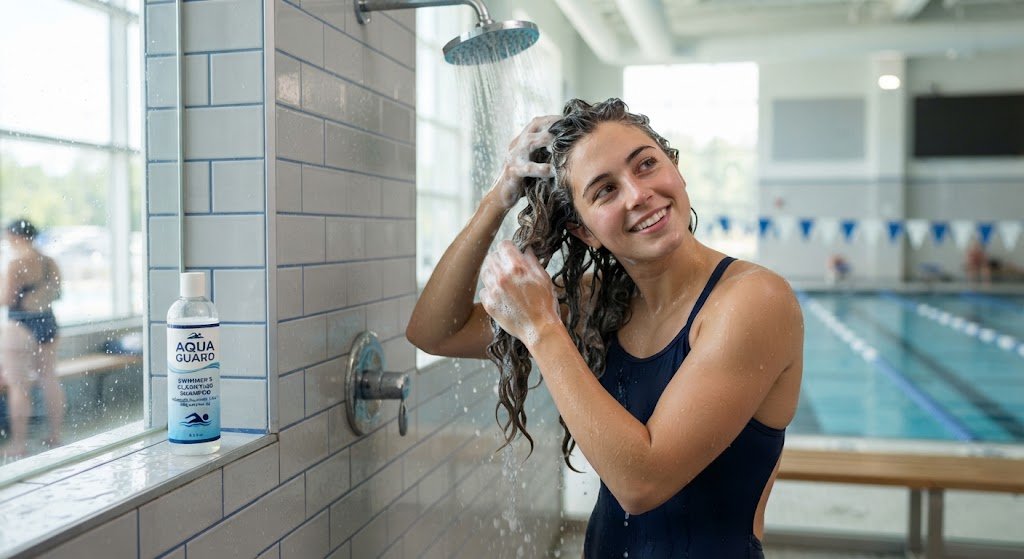
Swimmer’s shampoo is formulated to help remove pool-related residue from hair. If the green tint appeared after regular pool use, this type of cleanser may be a practical starting point.
Wet your hair thoroughly, apply the shampoo as directed, and rinse well. Follow with conditioner to replenish moisture. If the green color remains after an appropriate treatment, avoid repeatedly washing your hair in an attempt to force the color out.
The American Academy of Dermatology recommends rinsing hair immediately after swimming, using a shampoo designed for swimmers, and conditioning afterward.
Best for: People who swim frequently or notice buildup after pool sessions.
4. Use a Color-Safe Hair Treatment
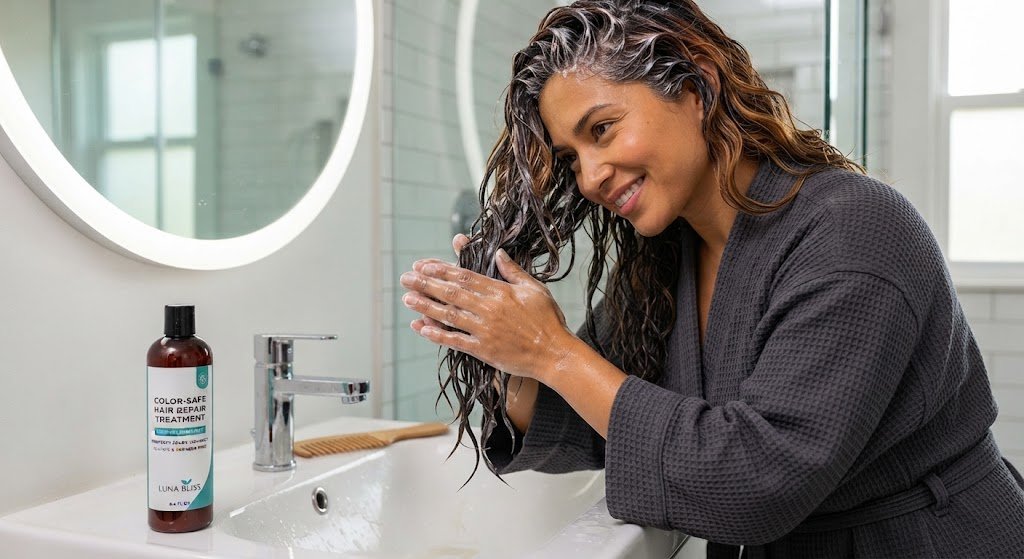
If your hair is colored or highlighted, a color-safe treatment may help you manage the discoloration while limiting unnecessary dryness. Choose a product intended for your specific hair concern, such as mineral buildup or unwanted undertones, rather than relying on a general-purpose treatment.
Keep in mind that a conditioning mask can improve softness and manageability, but it will not necessarily remove green pigment or mineral deposits. If the color came from a dye or toner rather than pool water, a stylist may need to correct the shade with a suitable color treatment.
Best for: Color-treated hair that needs gentle care alongside color correction.
5. Visit a Colorist if the Green Tint Persists
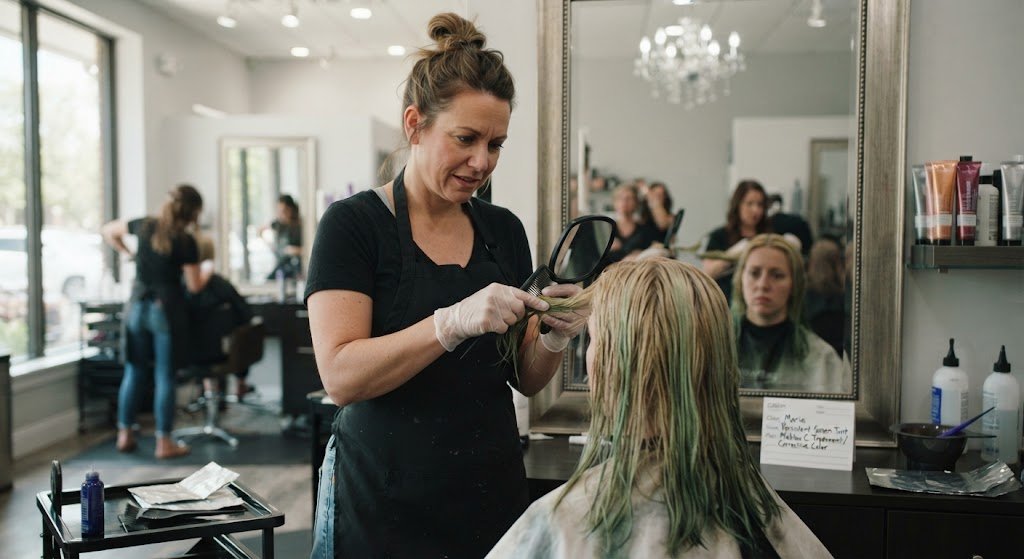
Sometimes the safest way to correct green hair color is to have a professional identify the cause. This is especially helpful if the discoloration followed a recent dye job, toner application, or chemical service.
A colorist can assess whether the issue is mineral buildup, an unwanted pigment, or a combination of factors. They can then recommend a suitable correction without automatically resorting to bleach. Avoid applying another hair dye or toner at random, because the wrong shade may make the result more difficult to correct.
Best for: Strong green discoloration, uneven color, recently treated hair, or results that do not improve with gentle cleansing.
How to Get Green Out of Blonde Hair at Home
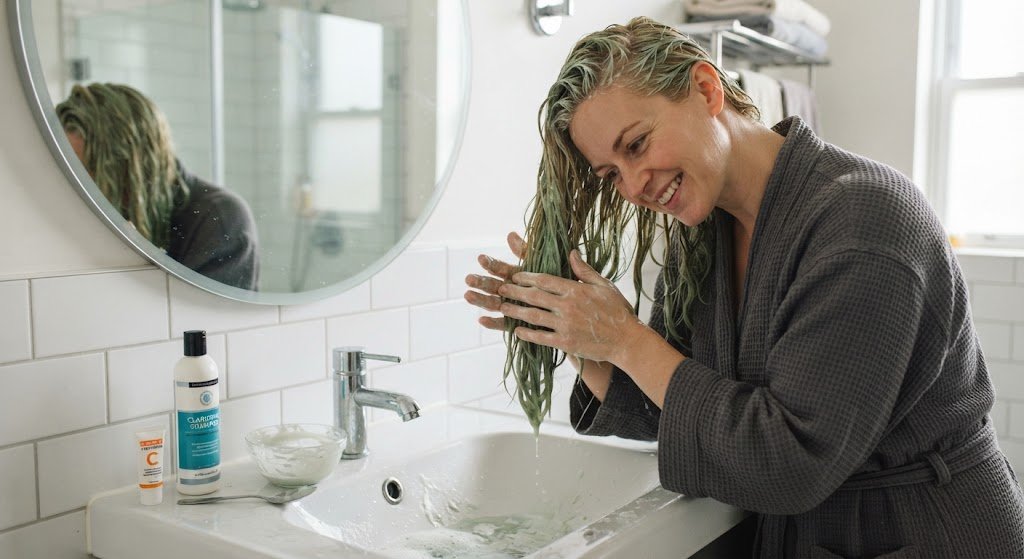
Blonde hair can show green tones more clearly than darker hair, particularly after swimming or exposure to copper-rich water. If you want to know how to get green out of blonde hair without bleach, start with the gentlest treatment that matches the likely cause.
Rinse with fresh water.
Remove any remaining pool water before applying other products.
Choose the right shampoo.
Try a swimmer-specific shampoo for pool residue or a chelating formula for suspected mineral buildup.
Condition thoroughly.
Use a moisturizing conditioner or hair mask, especially if your hair is highlighted or bleached.
Check the result before repeating.
Let your hair dry and assess the color in natural light. Follow the product directions before considering another treatment.
Seek professional advice if needed.
Persistent green tones may require targeted mineral removal or color correction.
These steps can help with some cases of swimmer’s green hair, but no shampoo guarantees immediate results. The right approach depends on the source and severity of the discoloration.
Do Home Remedies Remove Green Hair Tint?
Several home remedies are commonly suggested for green hair, but they are not equally reliable. Some may leave hair dry, irritate the scalp, or make color-treated strands more difficult to manage.
| Home remedy | What to know |
|---|---|
| Vitamin C hair treatment | Sometimes suggested for removing buildup or changing unwanted tones, but results are unpredictable. It may dry or irritate sensitive hair and scalp. |
| Baking soda | Can be harsh or drying, particularly on bleached or fragile hair. It is not the best first choice for mineral buildup. |
| Tomato juice | There is limited reliable evidence that it removes green discoloration. It may leave residue and an odor. |
| Ketchup | A popular online suggestion, but there is little dependable evidence that it corrects green hair. It can leave residue and require additional washing. |
If you want to get green out of hair naturally, a fresh-water rinse and gentle cleansing are safer places to start. For mineral-related discoloration, a suitable chelating shampoo is generally a more targeted option than experimenting with kitchen ingredients.
Avoid mixing household chemicals or combining multiple DIY treatments. If your scalp is irritated or your hair is breaking, stop experimenting and seek advice from a qualified professional.
How to Get Chlorine Green Out of Hair Faster
Chlorine often gets blamed for green hair, but copper deposits are usually the main cause of the green tint. Chlorine can weaken the hair’s protective structure, making mineral-related discoloration more likely.
For the most practical approach:
Rinse your hair with fresh water as soon as possible after swimming.
Use a swimmer-specific or chelating shampoo appropriate for the type of buildup.
Apply conditioner after cleansing to help manage dryness and tangles.
Avoid heat styling and additional chemical treatments while your hair recovers.
If the tint remains, ask a stylist about mineral removal or color correction.
Trying to remove green hair fast by shampooing repeatedly can leave strands dry without resolving the underlying problem. One appropriate treatment followed by an assessment is often a better approach.
How to Prevent Green Hair After Swimming
Prevention is easier than correcting discoloration after it develops. A few adjustments to your swimming routine can help reduce mineral exposure and protect your hair.
Wet your hair before entering the pool.
Hair that has already absorbed fresh water may take up less pool water.
Use a swim cap.
A well-fitting cap can reduce direct exposure, although it may not keep all water out.
Apply a suitable leave-in conditioner.
Follow the product’s instructions and choose one appropriate for swimming and your hair type.
Rinse immediately afterward.
Do not leave pool water sitting on your hair longer than necessary.
Cleanse and condition appropriately.
Use a swimmer-specific shampoo when needed, followed by conditioner.
Maintain color-treated hair carefully.
Bleached and highlighted strands may need extra conditioning and gentler handling.
These precautions are particularly useful if you swim several times a week or have blonde, highlighted, or chemically treated hair.
Conclusion
To get green out of hair without bleach, start by identifying whether the tint comes from pool-related mineral buildup or a previous color treatment. Choose a suitable cleanser, condition your hair afterward, and avoid harsh home remedies or repeated washing. If the green tone persists, a qualified colorist can help restore your intended shade while limiting unnecessary damage.
FAQs
Can green hair be fixed without bleach?
Yes, some cases can improve without bleach. A clarifying or chelating shampoo may help when the green tint comes from buildup, while a different approach may be needed if the cause is hair dye or toner.
How long does it take to remove green tones from hair?
Mild buildup may improve after one appropriate wash, while more stubborn discoloration can require additional treatment or professional help. Results depend on the cause, the amount of buildup, and your hair’s condition.
Does ketchup really remove green hair?
Ketchup is a popular home remedy, but there is limited reliable evidence that it removes green tones effectively. A product designed for mineral buildup is a more targeted option when swimming is the likely cause.
Will clarifying shampoo damage blonde hair?
Clarifying shampoo can leave hair dry, especially if it is bleached, highlighted, or already fragile. Choose a suitable formula, follow its directions, and condition afterward rather than using it repeatedly in quick succession.
Should I dye my hair to cover the green tint?
Not immediately. Adding another color without identifying the cause can produce an unexpected result. Consider professional color advice if gentle cleansing does not help or if the discoloration followed a recent color service.
Can green hair go away on its own?
Some mild discoloration may become less noticeable with regular washing, but mineral deposits can persist. If the tint remains, a targeted treatment may be necessary.