

Oily skin can look shiny just a few hours after washing your face, especially around the forehead, nose, and chin. The right skincare routine for oily skin helps manage excess oil, remove daily buildup, maintain hydration, and reduce the risk of clogged pores without leaving your skin feeling tight or uncomfortable.
The key is to keep your routine simple. Use a gentle cleanser, choose lightweight moisturizers, apply sunscreen every morning, and introduce active ingredients gradually. You do not need a long list of products to care for oily skin effectively.
1. Start With a Gentle Facial Cleanser

Cleansing removes sweat, excess sebum, sunscreen, and everyday dirt from the skin. However, washing too aggressively can leave your face dry and irritated, making your skincare routine harder to maintain.
Choose a gentle facial cleanser that removes oil without stripping away too much moisture. A gel or foaming cleanser may feel comfortable on oily skin, but the formula matters more than the texture alone.
How to use it:
- Wash your face in the morning and before bed.
- Use lukewarm water rather than hot water.
- Massage the cleanser gently with your fingertips.
- Rinse thoroughly and pat your face dry with a clean towel.
Avoid harsh scrubs and cleansers that leave your skin feeling unusually tight. That squeaky-clean feeling is not a reliable sign that your face is healthier or cleaner.
2. Follow a Consistent Morning Skincare Routine for Oily Skin

Your morning routine should prepare your skin for the day without adding unnecessary layers. A few well-chosen products are usually easier to use consistently than a complicated collection of serums and treatments.
A practical morning skincare routine for oily skin includes cleansing, optional treatment, moisturizing, and sunscreen.
A simple morning routine:
- Cleanser: Wash away overnight oil and sweat with a gentle facial cleanser.
- Serum: Apply a lightweight niacinamide serum if it suits your skin.
- Moisturizer: Use an oil-free or lightweight gel moisturizer.
- Sunscreen: Finish with broad-spectrum SPF 30 or higher.
Let each product settle before applying the next, especially if your sunscreen tends to pill. If your face feels comfortable with fewer products, you can skip an optional serum and keep the routine shorter.
3. Choose an Oil-Free Moisturizer
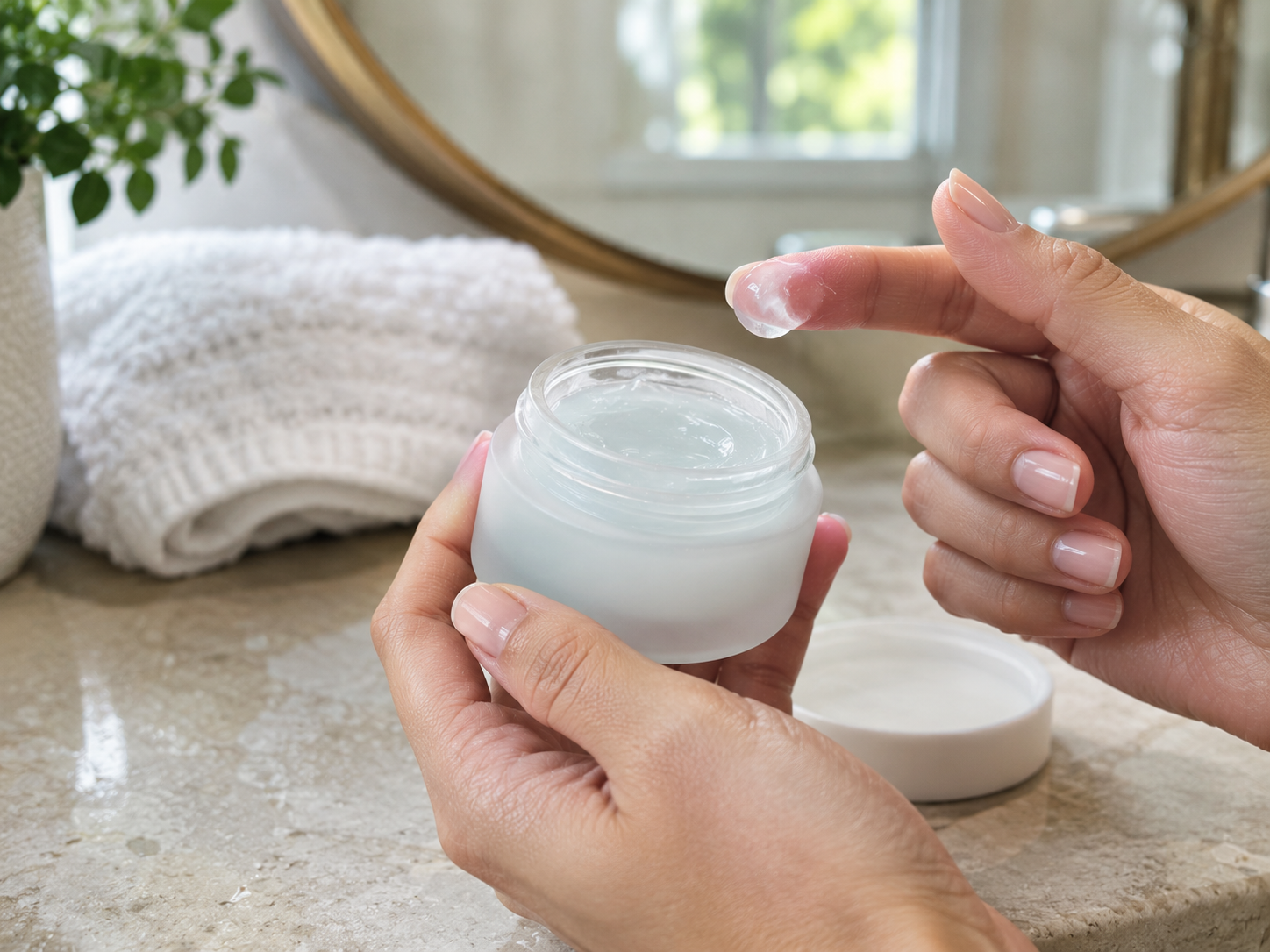
One common oily skin care mistake is skipping moisturizer because your face already produces plenty of oil. However, oil and water are different things. Skin can feel oily while still becoming dehydrated or irritated.
A lightweight moisturizer helps support the skin barrier and reduces moisture loss. Look for products labeled oil-free or non-comedogenic if heavy formulas tend to leave your pores congested. Ingredients such as glycerin, hyaluronic acid, and ceramides can help hydrate and support the skin barrier.
A gel moisturizer may suit someone who dislikes a rich finish, while a lightweight lotion can work well if the skin also feels dry or tight after cleansing.
Apply a small amount to slightly damp skin and adjust the quantity according to comfort. You do not need to avoid every product containing oils or rich ingredients; individual formulas and your skin’s response matter more than a single label.
4. Consider Salicylic Acid for Clogged Pores
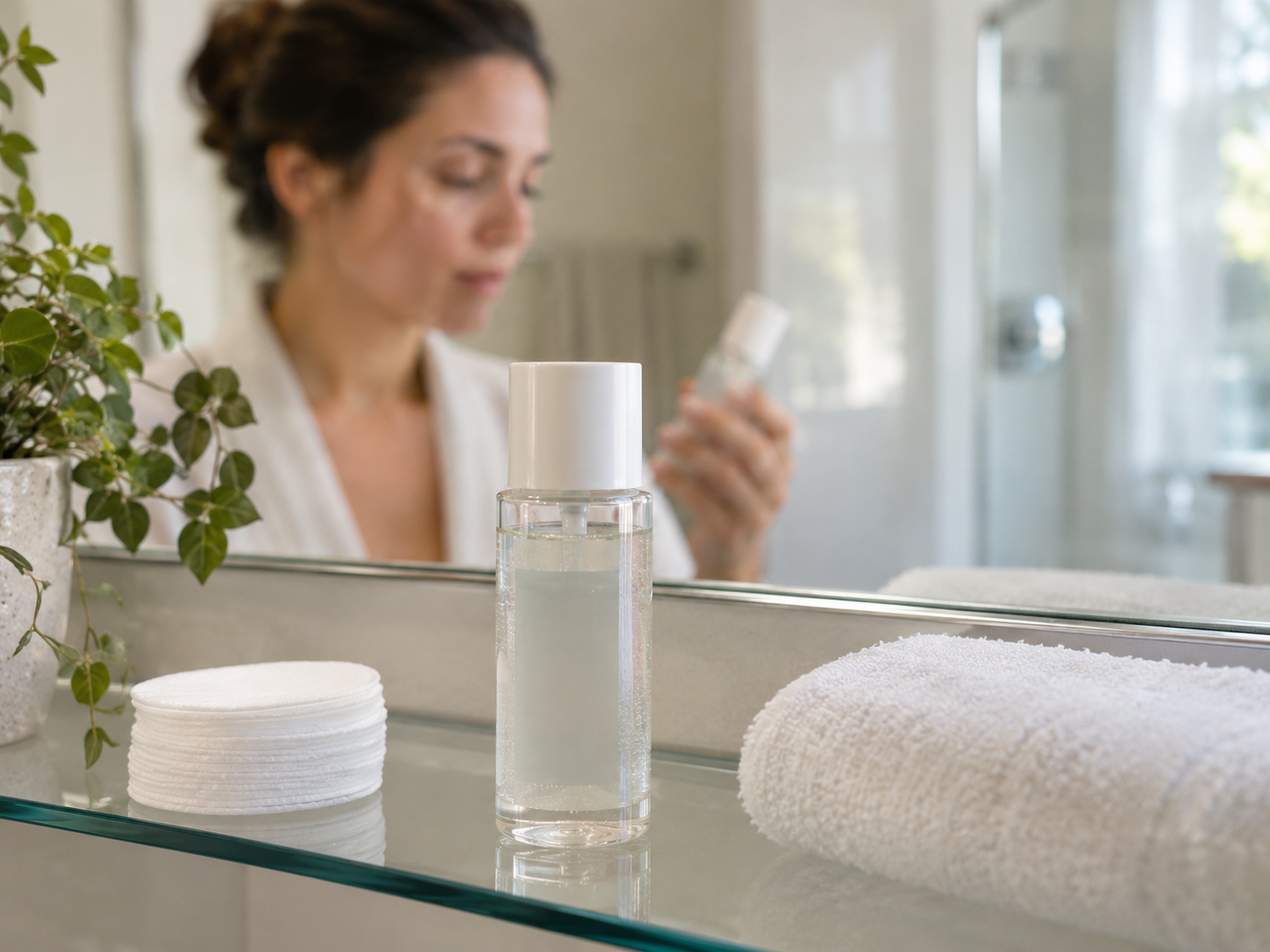
Salicylic acid is a beta hydroxy acid (BHA) that can help loosen the buildup of dead skin cells inside pores. It may be useful if oily skin comes with blackheads, whiteheads, or frequent clogged pores.
For beginners, a low-strength salicylic acid product used according to its label can be a reasonable starting point. Begin a few times a week rather than introducing it every day immediately.
Keep these tips in mind:
- Apply it as directed, usually after cleansing.
- Avoid combining several exfoliating products when you first start.
- Reduce use if you notice persistent dryness, burning, or peeling.
- Use sunscreen during the day, particularly when your routine includes exfoliating treatments.
More exfoliation does not automatically produce better results. If your skin becomes irritated, pause the active ingredient and return to a gentle cleanser, moisturizer, and sunscreen until it feels comfortable.
5. Try a Niacinamide Serum for Excess Shine

Niacinamide, a form of vitamin B3, is a useful ingredient to consider when building a skincare routine for oily and acne-prone skin. Research suggests it may help support the skin barrier and improve the appearance of oiliness in some people. It can also help improve the appearance of uneven skin tone.
Choose a serum with a comfortable formula rather than assuming that a higher concentration will work better. A lower-strength product may be sufficient, particularly if your skin is sensitive or you already use other active ingredients.
How to add it to your routine:
- Cleanse your face first.
- Apply the serum according to the product instructions.
- Follow with moisturizer.
- Use sunscreen as the final step in your morning routine.
Introduce one new product at a time so you can identify what suits your skin. If a serum causes persistent irritation, stop using it rather than trying to push through the reaction.
6. Apply Broad-Spectrum Sunscreen Every Morning

Sunscreen is an essential part of daily face care for oily skin. Sun exposure can contribute to premature skin aging and dark spots, while some acne treatments can make sun protection particularly important.
Choose a broad-spectrum sunscreen with SPF 30 or higher. If heavy or greasy finishes bother you, look for a lightweight fluid, gel, or matte-finish formula. A non-comedogenic label may also be helpful if you are prone to clogged pores.
Apply it as the final step of your morning skincare routine, following the product’s directions for the amount and application. Reapply at least every two hours when outdoors, and sooner after swimming, sweating, or towel-drying when the label calls for it.
Do not skip sunscreen because your skin looks shiny. If you dislike the finish, try a different formula rather than leaving your skin unprotected.
7. Build a Simple Night Skincare Routine for Oily Skin

Your evening routine removes sunscreen, makeup, and the buildup collected throughout the day. It is also a convenient time to use certain treatments, provided you introduce them carefully.
A practical night skincare routine for oily skin can be as simple as cleansing and moisturizing, with an optional targeted treatment.
Follow these steps:
- Remove makeup and sunscreen: Use a suitable makeup remover or cleansing balm if needed, followed by a gentle cleanser.
- Apply a treatment: Use salicylic acid or another appropriate product if it suits your skin. Follow its directions and avoid layering multiple strong treatments without guidance.
- Moisturize: Finish with a lightweight moisturizer to support the skin barrier overnight.
You do not need a different product for every concern. If your skin is irritated, simplify the routine and pause active treatments until it settles. Consistency with basic care is more useful than changing products every few nights.
8. Avoid Overwashing and Harsh Exfoliation

Frequent washing may seem like an easy way to control oily skin, but scrubbing your face repeatedly can cause irritation and discomfort. Harsh cleansers and excessive exfoliation can also disrupt the skin barrier.
Wash your face in the morning, at night, and after heavy sweating when needed. If your face becomes shiny during the day, blotting papers can absorb some surface oil without requiring another full wash.
Avoid using rough facial scrubs, abrasive brushes, or several exfoliating acids together. If you use a treatment containing salicylic acid, you may not need an additional exfoliant.
The goal is to manage excess facial shine while keeping the skin comfortable. Oil production is influenced partly by hormones and genetics, so skincare can help manage it but may not eliminate it completely.
9. Choose Non-Comedogenic Products and Keep Them Consistent
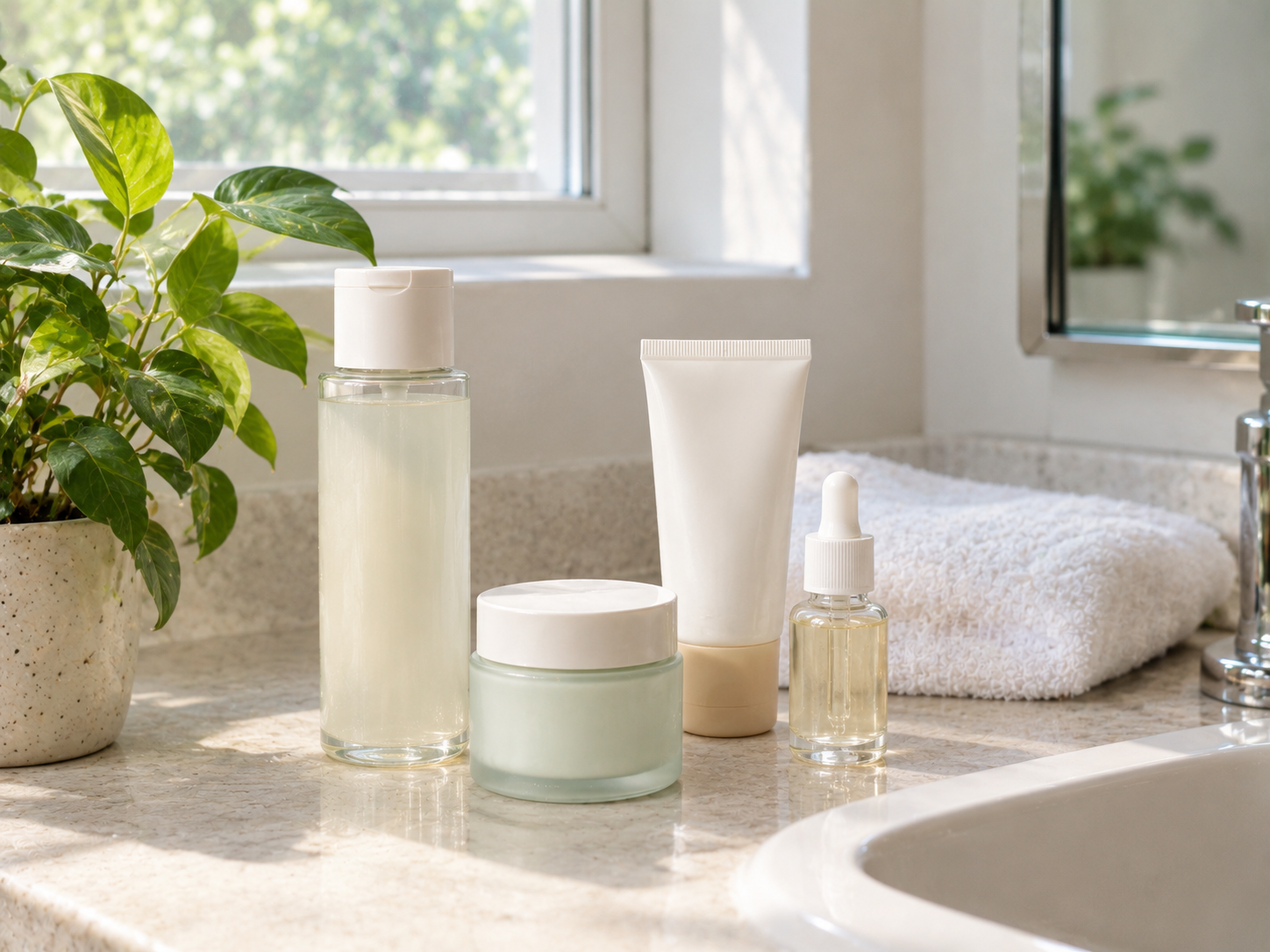
When your skin is prone to clogged pores, the products you use across your entire routine matter. Heavy-feeling formulas are not automatically pore-clogging, and lightweight products are not guaranteed to suit everyone. Look for non-comedogenic options when possible and pay attention to how your skin responds.
You can start with four basic products:
- A gentle facial cleanser
- A lightweight moisturizer
- A broad-spectrum sunscreen
- One optional treatment suited to your main concern
Avoid introducing several new serums, masks, and exfoliants at the same time. If your skin becomes irritated or develops new breakouts, it is much harder to identify the cause when multiple products have changed.
Give a new routine time to work, provided it is comfortable and does not cause irritation. If acne is persistent, painful, or leaving marks, a dermatologist can help you choose an appropriate treatment instead of relying on cosmetic products alone.
10. Adjust Your Routine to Your Skin’s Needs

Oily skin does not behave exactly the same way every day. Hot weather, humidity, physical activity, hormonal changes, and certain skincare products can affect how much oil you notice.
Rather than repeatedly changing your entire routine, make small adjustments based on what your skin needs.
| What you notice | A practical adjustment |
|---|---|
| Shiny forehead and nose | Try blotting papers and review whether your moisturizer feels too heavy. |
| Tightness after cleansing | Switch to a gentler cleanser and apply moisturizer while your skin is slightly damp. |
| Blackheads or clogged pores | Consider a salicylic acid product and introduce it gradually. |
| Irritation after using serums | Pause active ingredients and simplify your routine. |
| Greasy sunscreen finish | Try a lightweight fluid or matte-finish sunscreen. |
| Frequent or persistent acne | Consider professional advice from a dermatologist. |
For oily skin, the best routine is one you can follow without irritation. You may need to experiment with a few formulas, but changing one product at a time makes it easier to understand what works for you.
Common Oily Skin Care Mistakes to Avoid

Even a good product can become unhelpful if you use it incorrectly. Keep these common mistakes in mind as you refine your routine.
- Skipping moisturizer: Oily skin still needs hydration and barrier support.
- Washing too often: Repeated cleansing can cause irritation without solving the underlying causes of oil production.
- Using too many active ingredients: Combining several exfoliants or acne treatments can leave skin uncomfortable.
- Choosing products based only on labels: Terms such as oil-free and non-comedogenic can help narrow your options, but they do not guarantee that a formula will suit everyone.
- Expecting overnight results: Changes in clogged pores and acne usually take time.
- Ignoring persistent symptoms: Painful, worsening, or scarring acne may need professional treatment.
Conclusion
A reliable skincare routine for oily skin does not need to be complicated. Focus on gentle cleansing, daily moisturizer, broad-spectrum sunscreen, and one targeted treatment if you need it. Avoid over-washing and adding too many active ingredients at once.
Give your routine time to settle, pay attention to irritation, and adjust products based on your skin’s response. With consistent, gentle care, you can manage shine while keeping your skin comfortable and supported.
FAQs
What is the best skincare routine for oily skin?
A simple routine includes a gentle cleanser, a lightweight moisturizer, and broad-spectrum sunscreen in the morning. At night, cleanse your face, apply an optional targeted treatment, and moisturize. Choose products according to your skin’s needs and introduce new ingredients gradually.
Should I wash my oily face three times a day?
For most people, washing in the morning and evening is a reasonable starting point. If you sweat heavily, cleanse afterward as needed. For shine between washes, blotting papers can help without repeatedly stripping the skin.
Is niacinamide good for oily skin?
Niacinamide may help support the skin barrier and improve the appearance of oiliness for some people. Choose a formula that feels comfortable, follow the product directions, and stop using it if it causes persistent irritation.
Can oily skin use a moisturizer every day?
Yes. Oily skin can still become dehydrated or irritated. A lightweight gel or lotion may feel more comfortable than a rich cream, but the right choice depends on your skin’s needs and how it responds.
How can I control oily skin naturally?
Use gentle cleansing habits, avoid harsh scrubbing, moisturize regularly, and choose sunscreen with a finish you like. Blotting papers can help manage shine during the day. Because oil production is influenced by hormones and genetics, it may not be possible to eliminate oiliness completely.
Which ingredients should beginners look for in oily skin products?
Start with gentle cleansing and moisturizing ingredients. If you have a specific concern, niacinamide may be worth considering for general oiliness, while salicylic acid may help with clogged pores. Introduce one active ingredient at a time and seek professional advice if acne is persistent or severe.